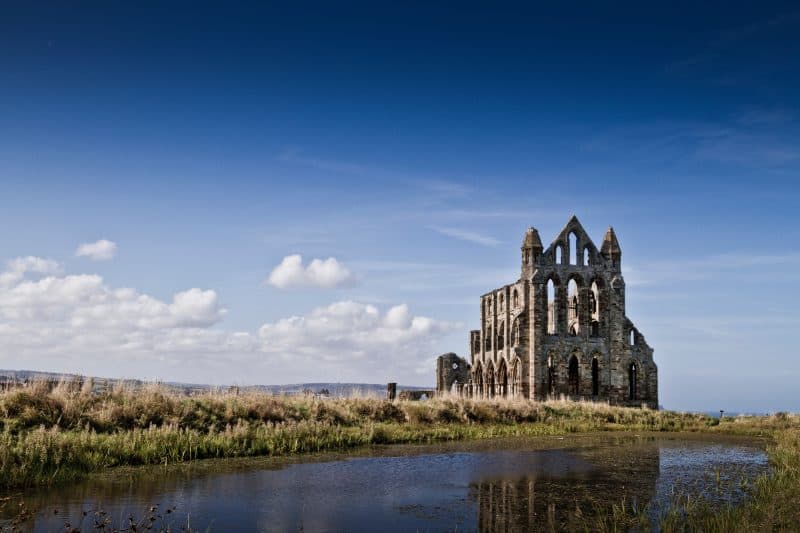
There’s something quietly magnetic about Yorkshire.
It doesn’t shout for attention like London or Edinburgh, nor does it rely on postcard clichés to draw crowds. And yet, over the past few years, it has steadily transformed into one of the UK’s most compelling staycation destinations, not through hype, but through substance.
As travel habits shifted and more Britons began looking closer to home for their getaways, Yorkshire was perfectly positioned to deliver. Its rise hasn’t been accidental.
It’s the result of a rare combination: authenticity, variety, and an ability to feel both expansive and intimate at the same time.
A Landscape That Feels Like Several Destinations in One
One of Yorkshire’s greatest strengths is its diversity.
Within a relatively short drive, you can move from rugged coastline to rolling countryside, from historic market towns to vibrant cities.
The Yorkshire Dales and North York Moors offer vast, cinematic landscapes that feel almost untouched. Dry stone walls stretch across green valleys, while quiet hiking trails lead to waterfalls, hidden villages, and panoramic viewpoints.
It’s the kind of scenery that doesn’t need filters, and increasingly, that’s exactly what modern travellers are seeking.
At the same time, coastal towns like Whitby, Robin Hood’s Bay, and Filey bring a completely different energy. There’s nostalgia here, but it never feels dated. Fish and chips by the sea, winding cobbled streets, and windswept cliffs create a timeless appeal that resonates just as strongly today as it did decades ago.
The Rise of Experience-Led Travel
What’s really driving Yorkshire’s growth isn’t just where you can go, it’s what you can do once you get there. Today’s travellers are less interested in ticking off landmarks and more focused on meaningful experiences.
Yorkshire delivers this effortlessly.
From farm-to-table dining in the Dales to independent breweries in Leeds and Sheffield, there’s a strong emphasis on local identity. Food, in particular, has become a major draw.
Yorkshire pudding might be the region’s most famous export, but the modern culinary scene goes far beyond tradition. Michelin-starred restaurants sit comfortably alongside cosy pubs serving locally sourced dishes, creating a food culture that feels both rooted and innovative.
Even leisure time has evolved. After a long day exploring, many visitors unwind in ways that reflect modern habits, whether that’s relaxing in a countryside spa or browsing entertainment options online, such as checking out the latest slot offers, blending classic escapes with digital downtime.
Cities That Compete Without Trying
While the countryside often takes centre stage, Yorkshire’s cities play a crucial supporting role in its tourism boom. Leeds has developed into a cultural and retail hub, with a thriving arts scene, stylish restaurants, and a nightlife that rivals larger UK cities.
Sheffield, once defined by its industrial past, has reinvented itself as one of the greenest cities in Europe, offering a unique mix of urban life and outdoor access.
York, of course, remains a standout. Its medieval streets, historic walls, and iconic Minster create a sense of stepping back in time, but without feeling like a museum.
It’s a living, breathing city that continues to evolve while preserving its heritage. This balance between old and new is part of what makes Yorkshire so appealing. It doesn’t feel curated or artificial. It feels lived-in.
Accommodation That Matches the Mood
Another factor behind Yorkshire’s rise is the quality and variety of its accommodation. Visitors are no longer limited to standard hotels.
Instead, they can choose from boutique stays, converted barns, luxury lodges, and charming B&Bs. There’s been a noticeable shift toward places that offer character. A stone cottage in the Dales, a sea-view apartment in Whitby, or a stylish city loft in Leeds, these aren’t just places to sleep, they’re part of the experience.
This aligns perfectly with the broader trend in staycations: people want their accommodation to feel like a destination in itself.
Why Yorkshire, Why Now?
Timing has played a role, but Yorkshire’s appeal runs deeper than recent travel trends.
It offers something that many destinations struggle to maintain: authenticity. There’s no sense of over-commercialisation, no feeling that the experience has been manufactured for tourists.
Accessibility has also improved. Better transport links and increased awareness have made Yorkshire easier to reach, while word-of-mouth and social media have amplified its reputation without diluting its charm.
A Destination That Doesn’t Try Too Hard
Perhaps the most interesting thing about Yorkshire’s surge is how understated it has been.
There’s no aggressive marketing campaign or sudden reinvention. It has grown steadily, almost organically, as more people discover what’s been there all along.
And that might be its biggest advantage.
In a travel landscape often dominated by trends and overexposure, Yorkshire feels refreshingly grounded. It doesn’t need to convince you; it simply delivers.
For those willing to explore it properly, that quiet confidence is exactly what makes it one of Britain’s most rewarding destinations right now.


