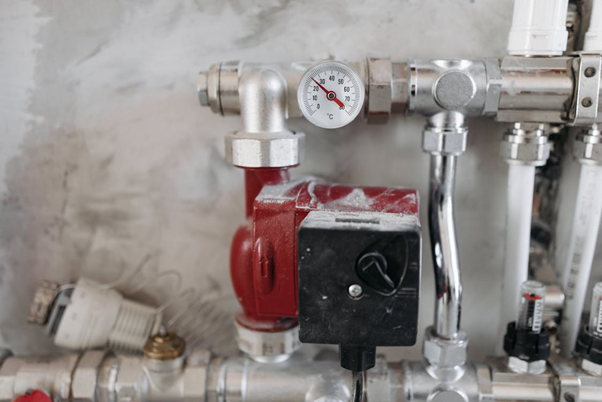
By means of radiator systems, homes are usually heated sufficiently to make them comfortable, especially during the cold winter periods. However, without proper maintenance, these systems might get affected by corrosion, blockages and their performance can also get compromised. One of the best ways to give your radiator a longer life and efficient operation is by using protective fluids in it.
Understanding Protective Fluids
Protective fluids or inhibitors as they are called, are highly purified liquid mixtures that protect the radiator and pipework from rust, scale, and the formation of sludge. As these fluids move around the system, they form a protective coating inside the radiator preventing any corrosion, they also help in keeping the water flow steady. This not only enhances the heating capability of the system but also minimizes the chances of expensive repairs.
Preparing Your Radiator System
It is a must to properly get the system ready before putting in any protective fluid. First of all, turn off the heating and let the radiator get cold. After that, look out for leaks or any damage that you can see. The system that is not properly sealed will not be able to benefit from the protective fluids as these can either get out or not be able to circulate well.
Choosing the Right Method
There are various methods of introducing protective fluids into a radiator system. Some homeowners like to use dosing pots or direct injection methods while others prefer simpler tools to get the job done. For instance, a central heating inhibitor dosing tool funnel is not only the safest way of adding the fluid without any spilling but also a very convenient choice for the DIYers.
Step-by-Step Introduction
- Find the filling point, This is typically at the radiator valve or expansion tank.
- Prepare the fluid, Make sure to follow the manufacturer’s recommendations to get the quantity right.
- Introduce the fluid cautiously, A funnel or dosing tool comes handy here to reduce the mess and to be more precise.
The system should start operating after the fluid supply has been refilled and the heating system should begin operation to enable liquid circulation.
Benefits of Regular Maintenance
In a way, protective fluids are like an insurance policy. They may get depleted especially if the system is cleaned or refilled with fresh water. The fluid maintains its intended function because continuous monitoring of the system exists to verify its performance. Proper radiator system maintenance not only helps to decrease energy expenses but also maintains constant heating output.
Final Perspective
Protective fluids may not be expensive but their benefits are immense. If you take the time to handle them correctly, you won’t have to worry about your radiator system getting deteriorated due to the most common problems and at the same time you will make their overall functioning more efficient. Generally, people who decide to follow this routine end up with heating systems that last them a good many years, that give better performance and that don’t require frequent fixing. If you get the right tools and apply the proper care, having a well-functioning radiator system will simply be one of the many things you do to improve your house.