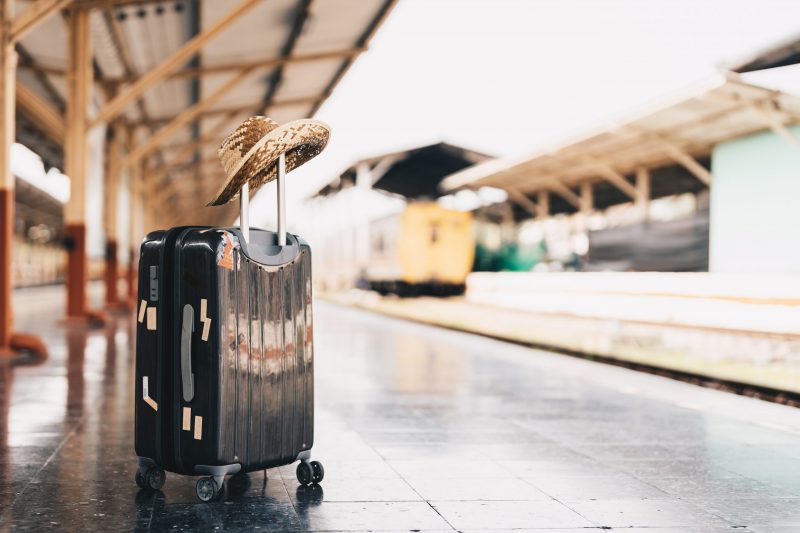
The feeling of waking up before sunrise on a race day and already thinking about the logistics before you’ve even tied your shoes is a thrilling one. When you travel for a race, the experience starts long before the start line. You juggle routes, timing, nutrition, and nerves, all while trying to keep your focus on your performance. Whether you’re heading to a local 10k or travelling for a half marathon in another city, the journey there can make all the difference.
Planning your journey with race day in mind
Improve your race experience by treating travel as part of your training plan. When you sign up for an event, your initial thoughts should first revolve around how you will get there and what time you need to arrive. If you reach the location the night before, you can give yourself time to rest, find the start area, and prepare before the race begins.
Consider practical details too like road closures and parking restrictions. For example, city races often close key roads well before the first gun time, which can add unexpected delays if you don’t check the route map. Building in buffer time removes any extra pressure from the race morning and avoids rushing through your warm-up.
Driving to a running event: what to prepare before you go
Driving gives you more control over your race weekend. Pack everything you need without worrying about luggage limits and travel on your schedule. This flexibility helps when you have to carry extra kit, such as multiple shoe options or recovery gear.
Before you leave, you should check your vehicle properly. A quick inspection of fuel, tyres, and lights helps you avoid problems on the road when you already have enough to think about. You should also check if you have the right car insurance place, in case of a breakdown or unexpected delays. You also benefit from packing your race essentials the night before, so you don’t scramble for bib numbers or chargers in the morning.
Arriving calm, fuelled and race-ready
Focus on settling into your routine as quickly as you can. Find a quiet space to stretch or locate toilets before queues begin to build. Small actions such as laying out your gear in the correct order can help you feel more organised and reduce last-minute stress.
Keep nutrition and hydration consistent with what you practised in training. Mental preparation also matters, so you benefit from staying calm and focusing on your own plan rather than watching other runners building up nerves around you.
After the race, you should already have a return plan in place. Fatigue often hits harder than expected, so knowing when and how you’ll travel home helps you avoid unnecessary stress when your energy dips.