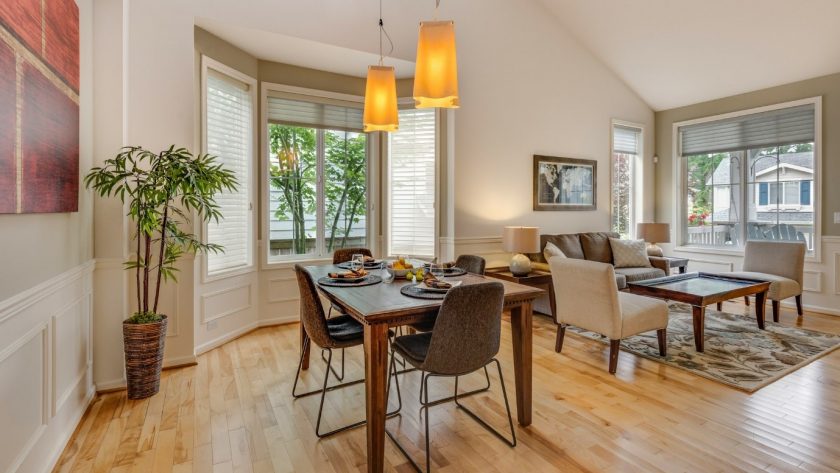
Most people think about furniture, wall colours, and décor first. Flooring tends to come later; often treated as a practical decision rather than a design one.
But the reality is simple: flooring sets the tone for everything else. It’s the backdrop that ties a space together, and when it doesn’t quite fit, the whole room can feel slightly off, even if everything else looks right.
Choosing flooring that works with your interior style isn’t about strict rules. It’s about understanding the overall look you’re trying to create and making sure the floor supports it rather than competes with it.
Why Flooring Matters More Than You Think
Flooring covers more surface area than any other element in a room. That alone makes it one of the most influential design decisions.
It affects how light moves, how colours appear, and even how spacious a room feels. A mismatched floor can make a carefully designed space feel disjointed, while the right choice brings everything together without effort.
It also sets the visual “temperature” of a room:
- Warm-toned woods create a cosy, inviting feel
- Cool greys and pale finishes feel more modern and minimal
- Dark floors add depth and contrast, often making spaces feel more grounded
Getting this foundation right makes every other design decision easier.
Understanding Your Interior Style First
Before looking at flooring options, it helps to define the style of the space. Not in a rigid, label-heavy way; just a general sense of direction.
Is the space:
- Clean and minimal?
- Classic and traditional?
- Relaxed and lived-in?
- Bold and expressive?
Once that’s clear, flooring becomes easier to narrow down.
Matching Flooring to Popular Interior Styles
Modern and Minimal: Keep it simple. Light wood, pale laminate, or subtle LVT in straight planks works best. Matte finishes help avoid a cold or overly polished look.
Traditional and Classic: Go for detail and warmth. Parquet in herringbone or chevron, paired with richer oak tones, adds a timeless feel. Engineered wood offers a practical alternative to solid wood.
Scandi and Neutral Spaces: Think light and airy. Pale or whitewashed wood with soft textures reflects light and keeps the space feeling open without looking flat.
Industrial and Urban: Darker, more textured floors suit this look. Smoked wood, wider planks, or concrete-effect LVT add depth and a slightly raw edge.
Eclectic and Personality-Led Homes: Balance is key. Mid-toned wood acts as a neutral base, letting bolder décor stand out. Subtle parquet flooring can work, but avoid anything too dominant.
Pattern vs Plank: What Works Best?
One of the biggest decisions is whether to go for a patterned floor or straight planks.
- Straight planks create a clean, continuous look and suit most interiors
- Parquet patterns add detail, movement, and a more designed feel
In smaller spaces, planks can help rooms feel larger. In bigger or more formal rooms, parquet can add interest and structure.
It’s less about which is “better” and more about how much visual impact the room needs.
Colour: The Detail That Changes Everything
Colour is often where flooring decisions go wrong. It’s easy to focus on what looks good on its own rather than how it works with everything else.
A few simple guidelines help:
- Light floors open up space but can feel cooler
- Dark floors add contrast but show dust more easily
- Mid-tones are the most forgiving and versatile
It also helps to think about undertones. Warm flooring pairs best with warm interiors (think creams, beiges, and soft browns), while cooler tones work better with greys and sharper contrasts.
Is It Worth Following Trends?
Trends come and go, but flooring is a long-term investment. What matters more is whether it suits the space and the way it’s used.
That said, some trends reflect broader shifts in how homes are designed. The move towards warmer tones, natural textures, and more characterful floors is less about fashion and more about creating spaces that feel comfortable and lived-in.
Choosing something that aligns with that mindset tends to age better than chasing a specific look.
The Secret to Cohesive Interiors
Good interior design isn’t about matching everything perfectly. It’s about creating a space that feels cohesive and considered.
Flooring plays a bigger role in that than it’s often given credit for. When it works, it quietly supports everything else in the room. When it doesn’t, it’s hard to ignore.
The best approach is to treat flooring as the starting point rather than the finishing touch. Get that right, and the rest of the space tends to fall into place far more naturally.