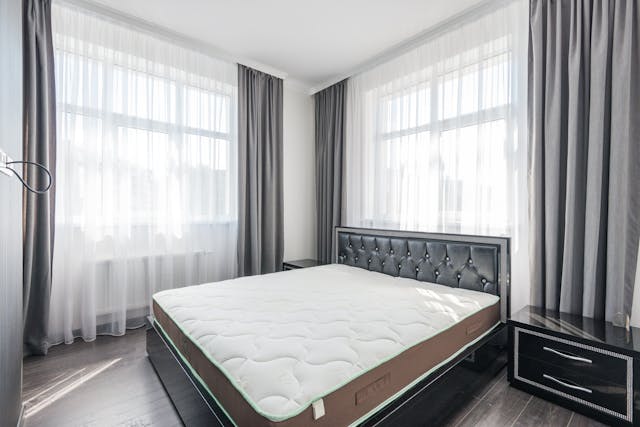
If you want to easily create a healthier home, consider a simple starting point.
Pick one room in the house that doesn’t typically get considered for green living. The bedroom. More specifically… the mattress.
Think about it.
The average person sleeps about a third of their entire life right there on their mattress. If it’s full of chemicals, they’re breathing those chemicals in every night. And off-gassing them into their home environment too.
The Good News? One of the easiest switches is to organic mattresses. Organic mattresses have the ability to immediately change the indoor environment of a room into a much cleaner, greener, and healthier space simply because they’re toxin-free.
What You’ll Learn In This Guide:
- The issue with indoor air quality
- The problem with conventional mattresses
- How organic mattresses can change a home environment
- What features to look for in an organic mattress
- How to make the switch to an organic mattress
Why Indoor Air Quality Is So Important
Did you know this?
The air inside your home is typically worse than the air outside. In fact, the EPA says that indoor VOCs (volatile organic compounds) have been recorded at 2 to 5 times higher than outdoor levels.
This is an issue.
VOCs are a type of pollutant. There are gaseous chemicals that evaporate at room temperature from things like furniture, carpets, and of course… your mattress.
VOCs have been associated with:
- Eye, nose, throat irritation
- Headaches, nausea, and dizziness
- Exhaustion and fatigue
- Long-term respiratory issues
Your bedroom should be a sanctuary. A restful place to recover and rejuvenate. But with so much time spent there each day, if the mattress is pumping harmful off-gassing chemicals into the air every night, then that sanctuary becomes a health risk.
One Easy Solution? Organic Mattresses
The problem with conventional mattresses
The problem is most people have no idea what’s lurking inside their mattress.
Traditional mattresses have all kinds of synthetic materials. Things like polyurethane foam, petroleum products, and chemical flame retardants.
These materials may as well be tiny time bombs.
They’re slowly releasing gasses into your home air.
The smell that a new mattress has? That’s not actually a good thing. It’s known as off-gassing and simply means the mattress is pumping VOCs into the bedroom air that you and your family are breathing in for hours each and every night.
Some of the most common chemicals lurking inside conventional mattresses include:
- Formaldehyde (glues, adhesives)
- Flame retardants (hormonal disruption)
- Petroleum based foams (don’t breathe, trap heat)
It gets worse.
Chemical emissions from these mattresses actually increase with body heat. Meaning the more time spent sleeping, the more VOCs are released. That’s a 24/7 cycle of chemical exposure.
It is why we designed our bed in the first place. To help our body rest and recover. The last thing you want to do is add a host of other stressors like chemical emissions from your mattress.
How organic mattresses transform a home
Organic mattresses? That’s a different story altogether.
Natural mattresses are designed to replace all of those nasty synthetic chemicals with non-toxic materials like organic cotton, wool, and natural latex. There’s no off-gassing from organic mattresses. Because there’s nothing toxic inside them to off-gas in the first place.
The results?
The moment you walk into a bedroom with an organic mattress in it, you can just tell. It’s difficult to explain but it almost always feels cleaner. You don’t get the chemical smell or other synthetic odours. The air just feels fresher and healthier.
Plus organic mattresses improve your home environment in so many other ways too:
- Better Indoor Air Quality — No off-gassing of VOCs means your bedroom air stays cleaner and fresher. This is especially great for those with allergies, asthma, or chemical sensitivities
- Temperature Regulation — Natural materials like wool, cotton and latex breathe so much better than synthetic foams. This means better temperature regulation, less sweating, and a more comfortable sleep environment
- Sustainability — Organic mattresses use renewable resources rather than petroleum-based products. It’s better for the planet from sourcing to disposal.
The growing organic mattress market is no accident.
According to recent market research, the industry is expected to reach $13.87 billion by 2032 growing at an annual rate of 8.2%. That’s no accident. As people become more educated about what they’re sleeping on, organic is clearly the direction the market is moving.
What To Look For in an Organic Mattress
Just because you see something called “natural” on a mattress label, doesn’t mean it’s actually natural.
In fact, there are no industry-wide standards or regulations for using the term “natural” on a mattress. Manufacturers can (and do) slap it on their label without using any organic materials at all. For them, it’s a simple marketing tactic.
To really find an organic mattress, buyers need to look for certifications. Here are a few key ones to search for:
- GOTS (Global Organic Textile Standard) — Verifies organic cotton, wool content
- GOLS (Global Organic Latex Standard) — Certifies organic latex content
- GREENGUARD Gold — Tests and verifies low chemical emissions
- MADE SAFE — Screens for over 6,500 restricted or banned substances
These certifications are important because they’re verified by third-party organizations. They’re not just trust-inspiring badges slapped on a mattress by the manufacturer itself. You can actually look up the certification number on each of these organization’s websites and verify that it’s real.
Durability is another factor to consider when choosing an organic mattress.
In addition to being made from higher quality materials, quality organic mattresses are often built to last longer than the average conventional mattress. Natural latex, for example, is much more resilient and maintains its shape for much longer than synthetic foams.
The trade-off here is price. Organic mattresses will often cost more initially, but the increased durability often makes them better value in the long run.
Making The Switch to Organic
Switching to an organic mattress is an eco-friendly home upgrade that’s one of the easiest anyone can do.
Why?
It requires no construction, no permits, no major lifestyle changes, and is a one-time purchase that immediately improves the quality of the home environment. In some ways, it’s even easier than some appliance upgrades.
In fact, most people immediately notice the difference once they make the switch. The bedroom air almost always feels fresher. Sleep quality is often immediately better. And it’s such a relief to know that harmful chemical emissions aren’t entering your family’s lungs every night.
For those in the process of building an eco-friendly home from scratch, organic mattresses are a no-brainer. For those with existing homes, upgrading the mattress can still make a big difference. Every room matters for indoor air quality and the bedroom is the room where people spend the most time.
A few final tips for making the switch:
- Look for certifications before buying. Research the certifications in advance to know exactly what they mean
- Give the mattress time to break-in. Some natural materials will feel different at first (especially if coming from a memory foam mattress)
- Use organic bedding. For even more benefit, pair the organic mattress with organic sheets and bedding as well
- Dispose of old mattresses responsibly. Look for mattress recycling programs near you
Pulling It All Together
Eco-friendly living doesn’t have to be complicated.
Sometimes the biggest changes can happen with the smallest things. Organic mattresses are one of those easy ways to help improve the indoor air quality of the home, lower chemical exposure, and support sustainability.
The benefits really add up:
- Cleaner bedroom air without harmful VOCs
- Non-toxic materials that breathe and regulate temperature
- Certifications that ensure the mattress is actually organic
- Better long-term durability and value
If you’re serious about healthy living, the mattress is an obvious place to start. It’s where a third of your life is spent. Ensuring that space is as clean and toxin-free as possible just makes sense.
The move to organic mattresses is not just a trend. It’s the recognition that bedroom impacts general health and wellbeing. And with indoor air quality being such a big concern, getting rid of one of the largest sources of chemical emissions in the home is one of the smartest things a homeowner can do.
Start with the mattress and watch how the home environment improves.