There’s something quietly satisfying about a house that looks like it was always meant to look that way. Not overdone, not trying too hard, just right. For many Yorkshire homeowners, particularly those living in traditional stone terraces, Victorian townhouses, or rural cottages, getting new windows to feel like part of the building rather than an addition to it has historically been the tricky bit.
uPVC has long been the practical choice: durable, low maintenance, thermally efficient, and far more affordable than timber. But aesthetically, it’s had a reputation to shake. That reputation, fair or not, has been built largely around the look of standard bright white frames against older stonework. In some settings, that contrast can feel a little at odds with the character of the property around it.
A new finish entering the market is offering homeowners another route. One that sits a little more gently within heritage settings without abandoning the benefits of modern uPVC entirely.
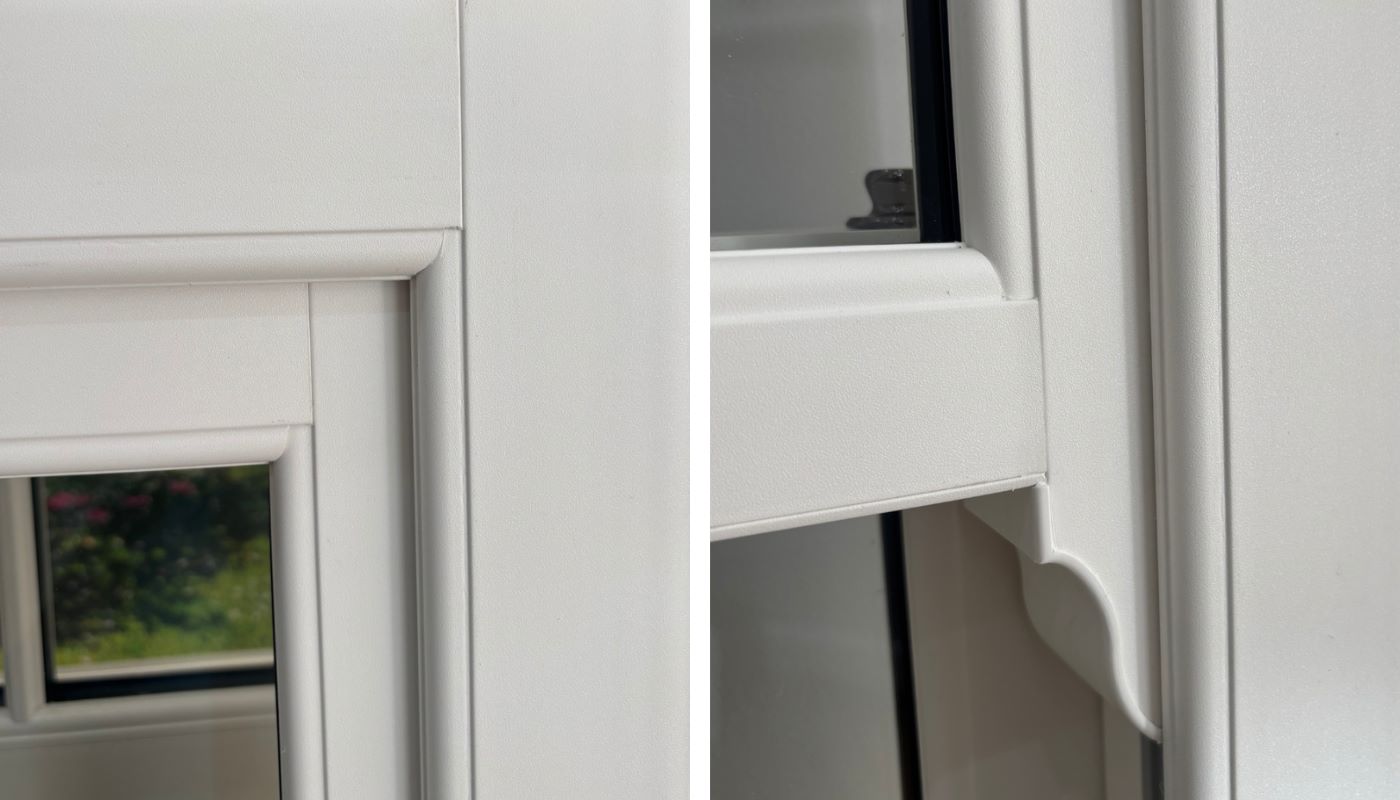
Meet Chalk White: A Softer Take on a Classic
Chalk White is a matt, slightly textured off-white finish. It sits closer in feel to the kind of painted timber you’d find on an original Victorian or Edwardian window than to the bright, smooth whites that have dominated uPVC manufacturing for decades.
It’s not about pretending uPVC is timber, but Chalk White does create a much softer, more authentic appearance that can comfortably pass as painted wood from a distance. The finish brings a subtle warmth and texture that feels far more at home on traditional properties, particularly alongside natural materials like limestone and sandstone.
Yorkshire’s housing stock is genuinely diverse. You’ve got the red brick Victorian streets around Leeds and Bradford, the limestone cottages up in the dales, even the Georgian townhouses of Harrogate and York. No single window colour or finish is going to suit all of them. But Chalk White offers something that fills a gap, particularly for homes where a brighter white has previously felt a touch too sharp.
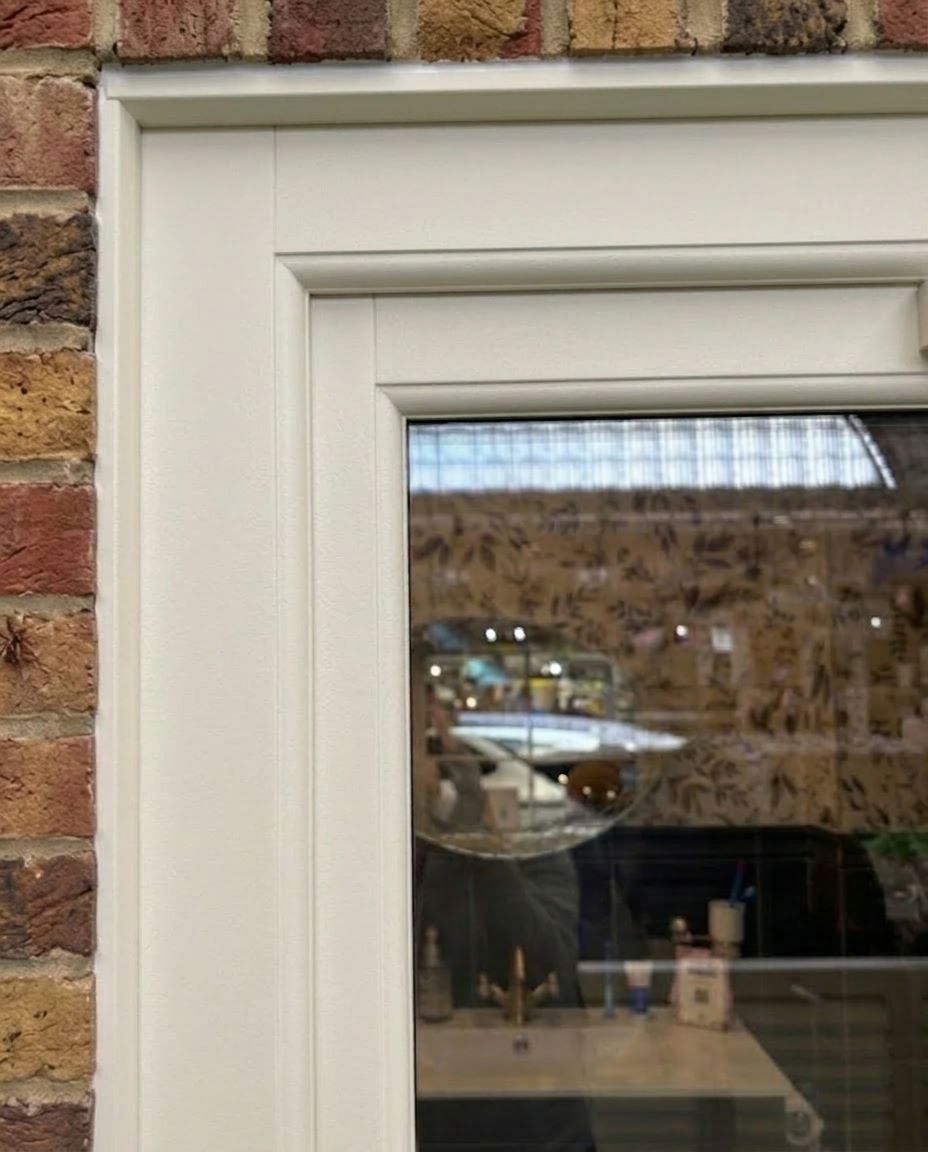
Why Finish Matters More Than Most People Expect
When homeowners plan a window replacement, the practical questions tend to dominate early on: energy rating, profile thickness, security hardware, glazing specification. The colour conversation often happens at the end, treated almost as an afterthought.
In reality, the finish is a key contributor to how the completed result looks and how well it sits within the streetscape. This is especially true in conservation areas or for listed buildings, where planning guidance needs windows to be sympathetic to the character of the area.
Textured finishes like chalk white appear differently at different times of day and in different light conditions. In the low winter sun that crosses the dales or cuts across a West Yorkshire valley, it can look almost cream. On an overcast day, it pulls back towards a more neutral off-white. That flexibility is part of its appeal.
A New Addition to an Existing Range
Quickslide, a Yorkshire-based windows and doors manufacturer with considerable experience in heritage-sympathetic uPVC products, has introduced Chalk White as an additional colour option across its range. For homeowners who’ve been drawn to the character of painted timber windows but don’t want the upkeep or price tag that comes with them, it’s a finish worth considering.
It’s worth being clear: this isn’t about replacing existing colour choices. Finishes like smooth white, anthracite grey, and rosewood woodgrain all remain popular for good reason, and they suit plenty of properties beautifully. Chalk White simply adds another option for those who want something with a slightly different character and an even more authentic timber look appeal.
For anyone interested in a period-appropriate aesthetic, Chalk White uPVC sash windows are a particularly compelling combination. The traditional sliding sash form paired with a finish that echoes painted timber, without requiring a pot of gloss and a weekend’s work every few years.
Conservation Areas and Planning Considerations
Yorkshire has no shortage of conservation areas, from the cobbled streets of Haworth to the Georgian terraces of central Harrogate. If you live within one, the finish of your windows can genuinely affect whether a planning application sails through or draws comment from the local authority.
Many conservation area guidelines place importance on windows that sit comfortably within the character of surrounding buildings, rather than creating a stark visual contrast. A softer, heritage-inspired off-white will often fare better in these conversations than a bright gloss finish, even if neither requires formal listed building consent.
It’s always worth checking with your local planning department before replacing windows in or near a conservation area. Some councils can offer advice and guidance on acceptable window styles and finishes. Getting ahead of those conversations early, before you’ve committed to a colour, can save a significant amount of time and frustration.
Which Properties Tend to Suit It Best?
Chalk White is one of those finishes that can work comfortably across a wide range of property styles, but in certain settings it really comes into its own.
Stone-built properties. Yorkshire’s sandstone and limestone buildings often have a natural warmth in their colouring. A brighter white can sometimes look slightly clinical against them. Chalk White sits as a perfect accompaniment to that warmth.
Victorian and Edwardian townhouses. The original windows in these properties would typically have been painted timber, often in off-white or cream shades. Chalk White echoes that aesthetic without requiring the same maintenance commitment.
Rural cottages. A gleaming bright white in a moorland or dales setting can look quite stark. Chalk White tends to absorb into the landscape a little more naturally.
Conservation-adjacent properties. Even if you’re not within a formally designated area, if your street has a strong historical character, a softer finish can help a replacement window feel like it belongs.
That said, brighter whites can look excellent on newer builds, rendered properties, or homes where a cleaner, more contemporary aesthetic is the goal. There’s no single right answer. It genuinely depends on the property, the street, and the homeowner’s taste.
Practical Considerations
One question that comes up with coloured or specialist uPVC finishes is maintenance. The short answer is that a quality Chalk White uPVC finish requires no more upkeep than standard white. A wipe down with soapy water is generally sufficient to keep frames looking their best. Unlike painted timber, there’s no peeling, no flaking, and no need to sand back and repaint every few years.
It’s also worth noting that finish choice doesn’t affect the performance of the window. Thermal efficiency, security, and weatherproofing are determined by the profile, hardware, and glazing specification rather than the colour. Choosing Chalk White over any other option is purely an aesthetic decision, not a functional compromise.
A Small Decision with a Visible Impact
Replacing windows is rarely seen as the most exciting home improvement project. It doesn’t carry the same sense of transformation as a new kitchen or a full interior redecoration, yet it can have a remarkable impact on the character of a home. Few changes alter the way a property looks and feels, both to the people living in it and to everyone who passes by, quite as effectively.
Getting that decision right takes a bit of thought. For Yorkshire homeowners with older properties who’ve been unsatisfied with the available options, Chalk White offers something genuinely innovative: a finish that sits in the gap between the stark brightness of standard white and the maintenance demands of actual timber.