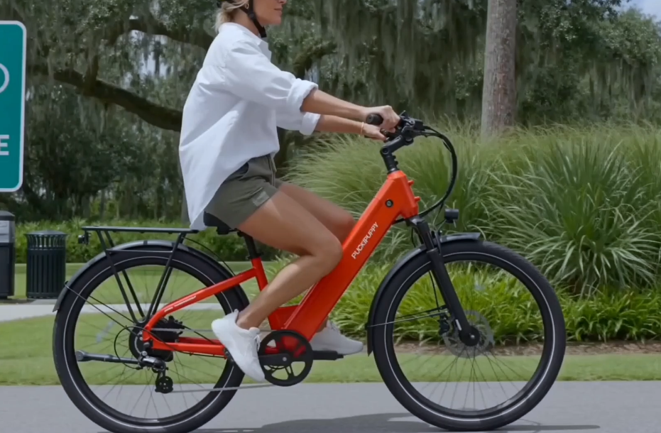
A good electric bike for adults should make a weekend ride feel easier without making the planning more complicated. It needs enough battery range for the complete outing, a comfortable frame, predictable motor assistance, reliable brakes and a weight that suits the rider’s storage and transport arrangements.
The best choice is not necessarily the fastest bike or the one with the largest battery. For relaxed days out, the right e-bike is usually the one that feels comfortable through repeated stops, moderate hills and several hours of casual riding.
That might mean cycling from a holiday cottage to a nearby village, exploring a waterfront route, visiting a country park or simply taking the longer way home on a sunny afternoon.
Where Will the Bike Actually Be Used?
Start with the routes you expect to ride most often.
Weekend cycling can cover several different settings:
- Paved neighbourhood streets;
- Seafront and riverside paths;
- Park routes;
- Quiet country lanes;
- Holiday parks and campsites;
- Compact gravel and canal-side surfaces;
- Short trips to cafés, shops and local attractions.
A specialist mountain bike may be excessive if most rides stay on pavement. At the same time, a lightweight road-style bike may feel uncomfortable on potholes, gravel or rough park paths.
For mixed leisure riding, look for a balanced setup: moderately wide tyres, front suspension, several gears and a comfortable riding position. These features make the bike more adaptable without adding the weight and complexity of a full off-road model.
How Much Range Is Enough for a Weekend Ride?
The battery should cover the planned round trip with at least 20% to 30% remaining.
That reserve matters because advertised range is normally based on particular test conditions. Hills, wind, low temperatures, rider weight, luggage and higher assistance levels can all reduce the distance achieved from one charge.
If the longest regular outing is around 25 miles, choosing a bike with only slightly more advertised range leaves little room for detours or changing conditions. A larger reserve makes it easier to stop at another village, extend a scenic section or return by a hillier route.
A removable battery can also make weekend travel more convenient. It allows the rider to charge it separately instead of moving the complete bike into a cottage, garage or approved indoor charging area.
Accommodation providers may have their own battery-storage and charging policies, so it is sensible to check before arriving.
What Makes an E-Bike Comfortable for Adults?
Comfort depends on the complete riding position, not only the saddle.
The rider should be able to reach the handlebar without stretching, place a foot down confidently when stopping and adjust the saddle to maintain a natural pedalling position.
An upright or moderately relaxed posture often works well for leisure rides because it provides a clearer view of the route and places less pressure on the hands than an aggressive forward-leaning position.
A step-through frame can be particularly useful. Its lower central section makes it easier to get on and off when stopping at cafés, viewpoints or attractions. It also avoids the need to swing a leg over bags secured to the rear of the bike.
This design is not limited to a particular age or gender. It is simply practical for riders who value easier access and frequent stops.
How Much Motor Power Is Really Necessary?
Motor power should match the terrain, rider weight and amount of cargo.
For flatter leisure routes, a smaller motor may provide enough support. More power becomes useful when an outing includes repeated inclines, strong headwinds, heavier riders or bags carried on the bike.
Motor wattage does not explain everything. Controller settings, battery voltage, gearing, bike weight and sensor design all affect how assistance feels.
For leisure riding, smooth and predictable assistance is usually more valuable than sudden acceleration. A torque sensor responds to the rider’s pedalling effort, while a cadence sensor detects pedal movement. A system using both can provide stronger support when needed while maintaining steadier assistance on flatter sections.
The rider should also be able to change gears before a climb rather than depending entirely on motor power.
Which Tyres Work Best for Leisure Routes?
Moderately wide tyres offer a useful balance between comfort and efficiency.
Very narrow tyres can feel quick on smooth roads but less forgiving on damaged surfaces. Four-inch fat tyres provide more cushioning and loose-ground stability, although they also add weight and rolling resistance.
For paved streets, country lanes, parks and light gravel, tyres approximately 2 to 2.5 inches wide can provide:
- Better cushioning than narrow road tyres;
- More predictable grip on mixed surfaces;
- Responsive steering;
- Easier pedalling when assistance is reduced.
Tyre pressure should be checked before longer rides. Pressure that is too low can increase battery use and make handling less precise, while excessive pressure may reduce comfort on rough surfaces.
Which Brakes and Suspension Features Matter?
Hydraulic disc brakes are a valuable feature on an adult e-bike because the motor, battery and frame make it heavier than a conventional bicycle.
The braking system may need to control the bike, rider and additional weekend luggage on wet roads or downhill sections. Hydraulic brakes generally provide controlled stopping with relatively little pressure at the lever.
Front suspension can also make leisure riding more comfortable. It helps soften repeated impacts from potholes, cobbles, rough paths and uneven road edges.
Most casual riders do not need full suspension. An adjustable front fork can provide sufficient comfort for urban routes and light recreational surfaces without significantly increasing maintenance.
Before each longer outing, check the brake-pad condition, lever response, tyres and wheel security.
How Important Are Weight and Transport?
Bike weight matters whenever the motor is not providing assistance.
A full-size e-bike may feel easy to ride but become difficult to lift onto a vehicle rack or move into secure storage. Before buying, consider:
- Whether the bike must be carried upstairs;
- Whether one person can load it;
- The weight rating of the vehicle rack;
- Whether the battery can be removed first;
- The available storage space;
- How often the bike will travel by car.
A folding bike may suit frequent train journeys or small storage areas. A full-size model can provide a more natural riding position and larger wheels, but it is better suited to ground-level storage and a properly rated transport setup.
What Should an Adult Leisure E-Bike Be Able to Carry?
A weekend ride often involves more than the rider alone.
Water, a waterproof layer, snacks, a repair kit and personal belongings all need somewhere to go. A rear rack or pannier system is usually more comfortable than carrying everything in a backpack.
Check the manufacturer’s maximum load capacity and remember that it includes the rider and all cargo.
Equipment should be secured low and evenly. A heavily loaded rear rack can change steering and braking, so the bike should be tested at low speed before a longer journey.
The same principle applies to any specialist accessory. A standard luggage rack should not be treated as a passenger seat or an unsecured place for a pet.
Which Electric Bike Works Well for City Trips and Weekend Rides?
For riders in markets where its motor and speed specifications are permitted, the Puckipuppy Poodle Pro is a practical option for daily travel and relaxed weekend exploration.
Its step-through aluminium frame makes repeated mounting easier, while an adjustable stem and handlebar help riders create a more comfortable position. These features support its role as an electric city bike for errands, neighbourhood rides and days involving several stops.
The Poodle Pro has a 48V 15Ah battery and offers a manufacturer-listed range of 45 to 75 miles. Actual distance will depend on terrain, assistance level, weather, cargo and rider weight.
Torque and cadence sensors work together to provide smoother and more responsive assistance. The bike also includes a Shimano eight-speed drivetrain, hydraulic disc brakes, an 80mm adjustable front suspension fork and 27.5-by-2.4-inch tyres.
That combination makes it better suited to paved roads, rough urban surfaces, bike paths and light gravel than to technical mountain-bike trails. As an electric commuter bike, it can serve weekday journeys while still offering enough comfort and range for longer recreational rides.
The bike weighs 63.1 pounds and has a listed maximum load capacity of 350 pounds. Those figures make it important to check storage and vehicle-rack capacity before planning a road trip.
How Does the Poodle Pro Support Pet-Friendly Outings?
The Poodle Pro can also form part of a pet-friendly riding setup. Puckipuppy lists a pet carrier among the accessories available from the product page, making the model relevant to riders who would like to include a suitable small pet in shorter outings.
The step-through frame is helpful because the rider can mount without swinging a leg over the rear of the bike, where a secured carrier or other equipment may be positioned.
Pet-friendly does not mean placing an animal loosely on a standard rack. Riders should use a compatible carrier or trailer, follow its weight limit and check every attachment before riding.
Start with a short, quiet route and consider temperature, traffic, noise, water and the animal’s comfort. Not every pet will enjoy travelling by bike, even with the right equipment.
What Should UK Readers Check Before Choosing a Model?
Yorkshire Wonders has a UK audience, so local legal requirements must be part of the buying decision.
In Great Britain, an electrically assisted pedal cycle that can be used as a normal bicycle must have a continuous rated motor output no higher than 250W, and motor assistance must stop above 15.5 mph. A bike exceeding those limits is not treated as a standard EAPC and may require approval, registration, tax, insurance, a driving licence and an approved motorcycle helmet. It also cannot automatically use cycle lanes or cycle tracks.
The Poodle Pro is listed with throttle operation up to 20 mph and pedal assistance up to 28 mph. It should therefore not be presented as a standard road-legal UK e-bike. UK buyers would need to confirm approval and legal requirements, or limit use to authorised private land where permission has been granted.
For readers elsewhere, the same general rule applies: check local power, speed, throttle and route-access regulations before purchasing.
Choose the Bike That Fits the Whole Weekend
The right electric bike for adults should suit the journey before, during and after the ride.
It needs enough range to return comfortably, a frame that fits the rider, brakes that manage the complete load and a weight that can realistically be stored and transported.
Choose for the routes you will genuinely ride rather than the most impressive figure on the specification sheet. A comfortable, practical bike can turn an ordinary afternoon into a longer ride, an extra stop and one more place discovered along the way.