Walk into any workshop and you will see flat sheet turned into furniture, cladding, and brackets. Those clean bends and tight fits look simple, but the work starts long before the first cut.
If you are planning a garden shelter, camper upgrade, or shop fit, the right choices matter. Local firms like Yorkshire Laser and Fabrication bring design through to delivery, which helps home projects and trade jobs run smoothly. The notes below focus on practical decisions that keep quality high and costs predictable.
Choose Alloys For The Job, Not The Label
Many requests arrive with a material name but without a reason for that choice. Aluminium helps when weight matters and corrosion is a concern, while mild steel offers strength at a sharp price point. Stainless steel resists staining and suits food, bathroom, and outdoor fixtures when care is given to finish.
Think about where the part will live, how it will be cleaned, and what loads it will see. Alloy series and tempers change strength, bendability, and weld response in real ways. A quick chat about use cases often saves time later and prevents overbuilding heavy parts that nobody needed.
Thickness, Tolerance, And Bend Radius Basics
Sheet thickness sets weight, stiffness, and the tooling used for cuts and folds. Thicker sections resist dents and flex, but they add cost, longer cuts, and tighter material control. Tolerances tell the shop how precise holes, slots, and fits must be to avoid rework.
Bend radius is the detail many drawings miss, yet it drives look and life. Too tight a radius causes cracking, springback surprises, and paint failure at corners. Standardizing on a house bend radius reduces doubt, speeds quoting, and gives repeated parts a consistent finish.
Cutting Methods And Edge Quality Tradeoffs
Laser cutting gives crisp edges, small holes, and tight nesting for reduced waste. It handles most steels and aluminium grades well, with clean geometry and predictable kerf. Very thick plate or reflective alloys may call for alternative tooling or slower feed settings.
CNC punching adds speed for holes, louvers, and forms that appear often on panels. A mixed method approach can reduce cost when parts share patterns across a family. Share your likely volumes and variants so the shop can select a route that suits both quality and budget.
Finishing Options That Protect And Look Right
The right finish carries the load for durability, cleaning, and appearance. Powder coating provides uniform coverage, wide colours, and good wear resistance for family spaces. Zinc plating or galvanizing helps steel handle wet or salted environments during winter months.
Choose finishes with maintenance in mind and match them to the setting. Kitchens need cleanable surfaces with good hygiene and abrasion resistance on high touch points. Outdoor furniture benefits from coated edges, vented hollow sections, and hidden drainage where water collects.
- Powder coat, good colour range and wear resistance for indoor and outdoor fixtures.
- Zinc plating, improves corrosion resistance for hardware and brackets in damp spaces.
- Galvanizing, heavy duty protection for gates, rails, and exposed garden structures.
Design For Assembly, Cost, And Lead Time
Good sheet parts are easy to assemble without force, filing, or extra sealant. Tabs and slots create self locating features that speed alignment on benches and in yards. Hemmed edges remove sharpness and add stiffness without adding extra parts to store.
Standard hole sizes and fasteners keep supply simple and avoid special orders that stall builds. Use generous access for tools, sealant, and hands, especially in corner zones. If a part will be welded, allow room for clamps, ground lead contact, and weld pool movement.
Tolerances, Flatness, And The Reality Of Heat
Heat from cutting and welding changes flatness, especially on wide panels with long seams. Fixtures and sequence planning help manage movement, but some pull is normal. Ask the shop what to expect, then agree clear acceptance criteria before the first run.
Large flat panels benefit from ribs, returns, or breaks that add stiffness without thickening. If the face must stay smooth, consider adhesive bonding or spot welds behind the view line. Budget time for light dressing and inspection, which protects coatings and gloss later.
Welding, Venting, And Health Considerations
If your design involves closed box sections, plan small vent holes to prevent pressure during heating. These details reduce blowouts, help coatings reach inside, and allow drainage after rain. The same holes simplify galvanizing and powder curing because trapped air can escape safely.
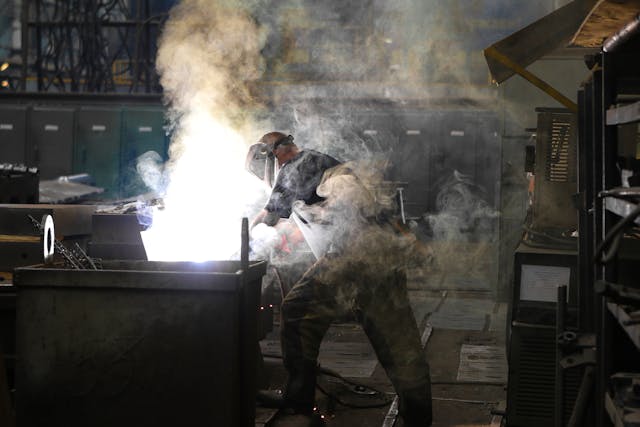
Basic weld planning improves strength and appearance while protecting people doing the work. Confirm whether continuous or intermittent seams are required, since continuous runs add heat and time. For projects involving welding, review widely available safety guidance on risk controls and fume management from national regulators, which also helps clients understand duty holders and responsibilities. See the Health and Safety Executive overview on welding risk controls for practical measures.
Sightlines, Touch Points, And Everyday Use
Parts should feel good where hands touch and eyes rest during daily use. Break sharp edges, soften corners, and place seams away from children’s hands and clothing. Consider how rain, dust, and mud will move across surfaces and collect in hidden areas.
Add access panels where service parts live, and label covers in plain text for future checks. If the install crosses timber, glass, or stone, include pads or isolators to protect finishes. A small detail like a hidden washer can prevent chips, squeaks, and early corrosion.
From Brief To Boxed Part Without Guesswork
Clear drawings, noted finishes, and realistic tolerances keep quotes tight and schedules firm. Include likely order volumes, storage limits, and any site rules for delivery days and times. If you are unsure, share a photo of the space and talk through the steps with the fabricator.
Material selection charts from respected university sources can help compare stiffness and weight for common alloys. They are useful for early trade offs before formal drawings are prepared. See a widely cited teaching resource from the University of Cambridge on materials selection charts and property clusters.
Bringing Your Design From Sketch To Shop Floor
Start with the environment, the loads, and the look you want, then pick alloys and finishes that fit. Agree bend radii, tolerances, and edge conditions before drawings harden and quotes get locked. Keep assemblies simple, vent boxed sections, and provide access for tools and coatings where possible. Share likely volumes and service needs, then work with your chosen partner to pick the best route. A little upfront clarity helps the workshop ship parts that fit first time and last longer.


