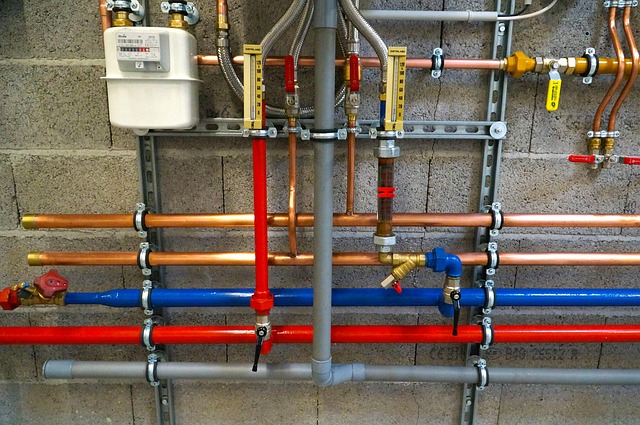
Whether you are facing a middle-of-the-night pipe burst, planning a sleek new bathroom renovation, or simply need your annual boiler service, finding a reliable plumber is one of the most important tasks for any homeowner. In the UK, our plumbing systems—often a mix of Victorian heritage and modern pressurised systems—require a steady hand and a qualified mind.
Choosing the wrong person for the job doesn’t just lead to a lightened wallet; it can lead to water damage, safety hazards, and a whole lot of stress. In this guide, we will walk you through everything you need to know to ensure your home is in safe hands.
1. Start with Recommendations and Reviews
In the digital age, word of mouth has moved online, but the principle remains the same. Start by asking friends, family, and neighbours in your local area. A plumber who has done a stellar job for someone you trust is often your best bet.
However, don’t stop there. Check online platforms like Checkatrade, TrustATrader, or Google Reviews. Look for patterns in the feedback. Is the plumber punctual? Do they leave the workspace tidy? Most importantly, how do they handle things if something goes wrong?
If you are currently looking to upgrade your home environment, you might also be considering other interior changes. For inspiration on making your living space more comfortable, check out these tips for a cosy home which can complement your functional plumbing upgrades.
2. Verify Credentials and Qualifications
In the UK, certain certifications are non-negotiable. If the work involves gas—such as a boiler repair or installation—the plumber must be on the Gas Safe Register. This is a legal requirement. You should always ask to see their Gas Safe ID card, which lists exactly what type of gas work they are qualified to do.
Brad Thompson, owner of Thompson-Smith Plumbing & Heating, emphasises the importance of due diligence:
“Always ensure your engineer is Gas Safe registered before any work begins on your heating system. It isn’t just about the quality of the work; it’s about the safety of your family and ensuring your home insurance remains valid. Never be afraid to ask for their registration number.”
Beyond gas, look for memberships in professional bodies such as the Chartered Institute of Plumbing and Heating Engineering (CIPHE) or the Association of Plumbing & Heating Contractors (APHC). These memberships indicate a commitment to high standards and ongoing professional development.
3. Transparency in Pricing
One of the biggest anxieties homeowners face is the “open-ended” bill. A reputable plumber should be able to provide a clear, written estimate or quote before starting the work.
Be wary of quotes that seem too good to be true. Usually, they are. A low-ball offer might lead to “hidden extras” later or indicate that the plumber is cutting corners on materials.
Brendan Moore from BM Plumbing + Heating suggests looking for clarity in communication:
“A professional plumber will always provide a transparent breakdown of costs. Whether it’s an hourly rate for repairs or a fixed price for an installation, you should know exactly what you’re paying for before the tools come out of the van. Clarity builds trust.”
4. Experience and Specialisation
Plumbing is a broad field. Some plumbers excel at “first fix” work on new builds, while others are specialists in heritage properties or high-tech smart heating systems. When calling around, describe your specific issue and ask if they have handled similar projects recently.
If you are renovating an older property, you might find that your plumbing needs are part of a larger lifestyle change. If you’re balancing home improvements with a busy family life, you might find this post on organising a family home particularly useful for managing the chaos of a renovation.
5. Local Knowledge and Availability
Choosing a local plumber isn’t just about supporting local business; it’s practical. A local engineer will understand the specific water pressure issues in your area and can usually get to you faster in an emergency.
Will Eastman at Urban Heating + Cooling highlights the value of the local touch:
“Having a local, reliable engineer means you have peace of mind. We know the local infrastructure and the common issues that crop up in certain types of housing stock in our area. Plus, if there’s an emergency, being just around the corner makes all the difference.”
6. Insurance and Guarantees
Accidents happen. Even the most skilled plumber can occasionally have a mishap. The difference between a professional and an amateur is that the professional is fully insured. Ensure your plumber carries Public Liability Insurance (usually at least £2 million) to cover any accidental damage to your property.
Additionally, ask about guarantees. Do they offer a warranty on their workmanship? Most reputable plumbers will offer a 12-month guarantee on the work they perform, alongside the manufacturer’s warranty on any parts or appliances installed.
7. Communication and Professionalism
From the first phone call, pay attention to how they communicate. Do they return calls? Are they polite? A plumber who is professional in their correspondence is more likely to be professional in your home.
If you are looking for ways to improve your home’s value while updating your plumbing, you might want to read about how to add value to your home. Modern, efficient plumbing and a well-maintained boiler are huge selling points for any UK property.
8. Sustainability and Modern Solutions
With energy bills on the rise, a good plumber should be able to advise you on more than just fixing a leak. Ask them about energy-efficient solutions, such as thermostatic radiator valves (TRVs), heat pumps, or smart thermostats. A plumber who is forward-thinking can help you save a significant amount of money on your utility bills in the long run.
9. Preparing for the Plumber’s Visit
Once you’ve chosen your plumber, help the job go smoothly by:
- Clearing the area: Make sure the plumber has easy access to the stopcock, the boiler, or the specific pipework they need to reach.
- Being clear about the history: If a pipe has been “acting up” for months, tell them. The more history they have, the faster they can diagnose the problem.
- Securing pets: Plumbing often involves open doors and heavy tools; keeping pets in a separate room is safer for everyone.
Summary Checklist
Before you sign on the dotted line, run through this quick checklist:
- Are they Gas Safe registered? (If working on gas).
- Do they have Public Liability Insurance?
- Have you checked their recent reviews?
- Is the quote provided in writing?
- Do they offer a guarantee on their work?
Finding the right plumber might take a little bit of legwork initially, but the peace of mind that comes with knowing your home’s “veins and arteries” are in top condition is well worth the effort. By choosing a qualified, transparent, and local professional, you ensure that your home remains the safe, warm, and dry sanctuary it’s meant to be.
For more home improvement and lifestyle tips, don’t forget to explore the rest of the Yorkshire Wonders blog, where you can find everything from travel guides to home maintenance advice.