Look across the Yorkshire skyline and you will spot them. Slim steel masts on the moors, lattice towers above the dales, and rooftop arrays over Leeds and York. Most of us never give them a second glance.
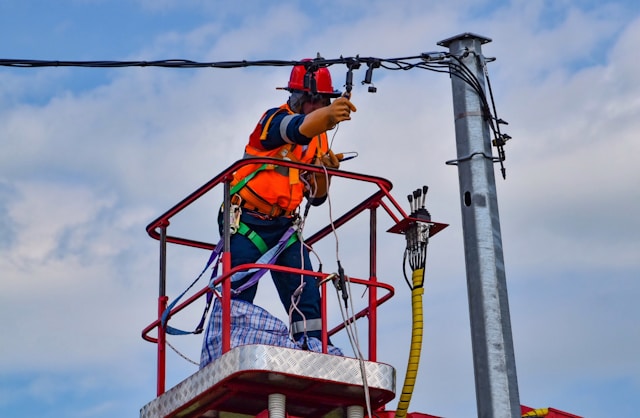
Photo by Антон Дмитриев on Unsplash
Those towers are why your phone works on a day out. They are also some of the most demanding structures to maintain, because the work happens dozens of metres in the air. The engineers who climb them rely on careful training, and the telecoms tower safety statistics behind that work-at-height training make for sobering reading.
Why These Towers Matter to Your Day Out
A modern trip around Yorkshire runs on a signal. You check directions, book a table, and post the photo before the food arrives.
Every one of those taps bounces through a nearby mast. Sharing a snap of your afternoon tea in Harrogate depends on a tower you will never see up close. The county has hundreds of them, from city rooftops to remote hilltops, and each one needs regular checks.
Yorkshire alone hosts hundreds of sites, and a single mast can carry signals for 4 or 5 networks at once. One tower going dark can drop coverage for an entire valley. That is why operators check them on a fixed cycle rather than waiting for a fault.
That coverage is easy to take for granted. Keeping it running is anything but simple.
How High, and How Risky, the Work Is
Photo by Rory Tucker on UnsplashTelecoms masts are tall by design. A rooftop array might sit 15 metres up, while a standalone lattice tower can rise well past 50 metres. Some of the largest broadcast masts in the country climb past 300 metres.
For scale, a 50-metre tower is roughly the height of a 15-storey building. A rigger may make that climb several times in a single shift. Each ascent carries the same risks as the first.
Working at those heights is the single biggest hazard in the job. The official guidance on work at height makes the priority clear: avoid the risk where you can, and control it tightly where you cannot.
The main dangers riggers manage include:
- Falls from height, still a leading cause of workplace deaths in Britain.
- Dropped tools, which threaten anyone below.
- Weather, since wind and ice turn a routine climb dangerous.
- Fatigue, on long jobs in exposed conditions.
None of these are rare edge cases. They are daily considerations for the people who keep the network live.
The Rules That Keep Riggers Safe
Climbing a mast is not a free-for-all. A clear legal framework governs every ascent in the UK.
Every ascent falls under the Work at Height Regulations 2005. Employers must assess each task, choose the right equipment, and make sure crews are properly trained.
These rules have shaped the trade for more than 20 years, and the core duty has not shifted since 2005: plan the work first, then protect the worker. Everything else follows from those two steps.
In practice, a safe climb usually involves:
- A written risk assessment before anyone leaves the ground.
- Inspected safety gear and lines, checked on the day.
- A trained climbing partner, never a solo ascent.
- A rescue plan, in case someone is hurt at height.
Training is the thread running through all of it. A qualified rigger has spent days learning to do safely what looks effortless from the ground.
Spotting the Towers Around Yorkshire
Once you know what to look for, the masts are everywhere. They line the routes you already travel for days out.
Heading out for strawberry picking in the countryside, you will pass a dozen without noticing. Watch the ridgelines on the drive and you will see lattice towers braced against the wind. Each is a small reminder of the work that keeps a remote field within signal range.
It is a quiet kind of infrastructure. Useful to recognise, easy to respect once you know the effort behind it.
A New Way to Read the Skyline
The next time a mast catches your eye over the dales, you will know more about it. It is not just steel on a hill. It is a workplace that demands real skill and serious safety planning.
Keep three things in mind:
- The height is the hazard, not the climb itself.
- Training and rules do the heavy lifting on safety.
- The payoff is your signal, wherever you roam in Yorkshire.
Connectivity feels invisible until it fails. Behind it stands a small army of trained people willing to work where most of us never could.
Frequently Asked Questions
How Tall Are Telecoms Towers In the UK?
Heights vary widely by type and location. A rooftop array may sit around 15 metres above the ground, while a freestanding lattice tower often rises past 50 metres. The tallest broadcast masts in Britain exceed 300 metres. Rural sites tend to be taller, since they must cover a wider area from a single point.
Why Is Working On Telecoms Masts so Dangerous?
The main risk is simple: height. A fall from a mast is rarely survivable without proper protection, which is why falls from height remain a leading cause of workplace deaths. Add wind, ice, and heavy equipment, and the margin for error shrinks further. Strict training and planning exist precisely to manage those hazards.
Do Climbers Need a Qualification to Work at Height?
Yes. UK law requires that anyone working at height is competent, which in practice means proper training and assessment. Employers must also plan each job and supply inspected equipment. A recognised work-at-height course is the standard route to that competence. It covers both the technical skills and the rescue procedures.
How Often Are Telecoms Towers Inspected?
Inspection schedules depend on the structure and its operator, but checks are routine rather than rare. Equipment used for a climb is inspected before each use, and the towers themselves are surveyed on a planned cycle. Severe weather can trigger extra checks. The aim is to catch wear or damage long before it becomes a hazard.