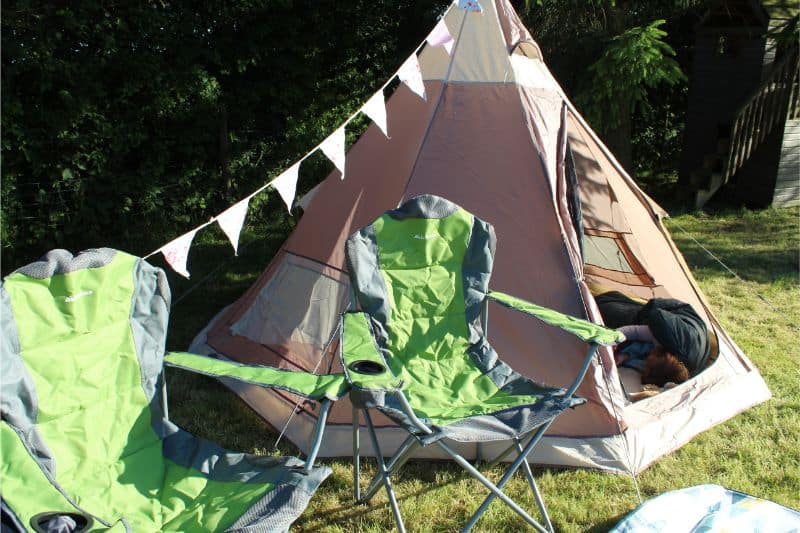
Camping in Yorkshire rarely means sitting beneath cloudless skies for an entire weekend. More often, it involves watching rain roll across the hills, wiping muddy wellies at the tent door and trying to stop a packet of marshmallows from becoming mysteriously sticky.
That unpredictability is part of the experience. Yorkshire offers family campsites near beaches, woodland, waterfalls, historic towns, and open moorland. A simple night under canvas can become a proper adventure, provided everyone stays warm, dry, and reasonably well fed.
The secret isn’t packing for every possible disaster. It’s choosing the right site, bringing dependable basics, and accepting that a little mud doesn’t mean the holiday has gone wrong.
Choose the Right Part of Yorkshire
Yorkshire is large enough to offer very different camping trips. A coastal pitch near Filey, Scarborough, or Whitby suits families who want beaches, seaside attractions, and easy access to fish and chips. The Yorkshire Wolds provide gentler countryside, while the Yorkshire Dales offer waterfalls, limestone scenery, and walking routes.
The North York Moors are well-suited to families who enjoy forests, heritage railways, and wide-open landscapes. Staying near a town or village can make a first trip easier because shops, cafés, and indoor attractions are close at hand.
Think about what your children will enjoy rather than choosing a campsite for its view alone. A beautiful remote field may sound idyllic, but toilets, hot showers, a play area, and somewhere to buy milk can matter more after a wet night.
Yorkshire Wonders highlights the variety of family camping available across the county, from coastal areas to the Wolds and Yorkshire Dales.
Pack for Comfort, Not Just Survival
Children are more likely to enjoy camping when the basic setup feels comfortable. Good sleeping mats insulate them from the cold ground, while warm sleeping bags and spare blankets make bedtime easier. Pack more socks than you think you need. Once a pair becomes wet, it rarely dries quickly inside a busy family tent.
Give each child a clear place for boots, waterproofs, and small belongings. A washable box or flexible tub near the entrance can contain muddy shoes. Separate bags for clean and wet clothes also prevent one damp jumper from affecting everything else.
It helps to create a small sitting area where children can draw, eat, or play cards without balancing on bedding. A child-sized camping chair from Ozzi Gear, for example, can give younger campers a comfortable place of their own around the pitch. Whatever seating you take, choose something stable, age-appropriate, and easy to wipe clean.
Keep torches, water bottles, and bedtime clothes in the same place every night. Searching through six bags for a missing sock loses its charm quickly.
Pitch With the Weather in Mind
A good pitch can make the difference between listening to rain from a dry tent and waking beside a growing puddle.
Avoid obvious dips in the ground, where water may collect. Look for a level pitch with reasonable drainage, but do not dig channels around your tent because this damages the site. Check the direction of the wind before pitching and place the entrance away from driving rain where possible.
The Camping and Caravanning Club recommends facing the tent door away from the wind during wet weather. It also advises keeping the tent fabric properly tensioned and the guy lines taut, which helps stop rainwater pooling on the roof.
Practice pitching the tent at home before your trip. You will spot missing pegs, unfamiliar poles or awkward instructions without tired children waiting in the car. On arrival, put the tent up before unpacking everything else. Bedding should remain inside the car until the shelter is ready.
Ventilation still matters in poor weather. Keep the tent’s designed vents open because condensation from breathing and damp clothing can make the inside feel wetter than the rain outside.
Dress Children for Yorkshire Weather
Layering works better than relying on one heavy coat. Start with a comfortable base layer, add a fleece or jumper, and finish with a waterproof outer layer. Waterproof trousers are particularly useful for younger children, who tend to kneel or sit on wet ground.
Pack a dry set of clothes that remains inside the tent and is used only at bedtime. A warm hat can also help on chilly evenings, even during summer.
Check the local forecast before leaving home and continue monitoring it during the trip. The Met Office recommends using an accurate forecast when planning family camping and reminds campers that outdoor plans are governed by changing conditions.
Rain is usually manageable. Strong winds, thunderstorms, and official weather warnings require more caution. Be prepared to change your plans, leave early, or seek safer accommodation when conditions deteriorate.
Wet clothes combined with cold conditions can contribute to hypothermia. The NHS describes hypothermia as a dangerous fall in body temperature below 35°C and advises calling 999 or going to A&E immediately when someone shows symptoms.
Plan Simple Activities for Wet Days
Children do not need a tightly packed itinerary, but they benefit from a few dependable options when rain limits outdoor play.
Bring card games, colouring supplies, activity books, and a story for the evening. A magnifying glass can turn a damp campsite walk into a search for moss, insects, and unusual leaves. Give younger children a simple challenge, such as finding five natural objects of different colours without picking plants or disturbing wildlife.
Keep one nearby indoor attraction in reserve. Yorkshire’s museums, castles, visitor centres, heritage railways, and leisure pools can rescue a very wet afternoon. A café stop can serve the same purpose.
Do not abandon outdoor plans simply because of drizzle. A short woodland walk, waterfall visit, or beach stroll can still be enjoyable in waterproof clothing. Keep routes modest and turn back before everyone becomes cold or miserable.
Make Campfire Food Safe and Manageable
Camping meals are best kept simple. Pasta, filled wraps, soup, and pre-prepared stews require little equipment. Pack easy snacks for the period between arriving and finishing the tent, when children often become hungry before the stove is ready.
Marshmallows may be part of the fun, but first check the campsite’s rules on fires and barbecues. Some sites allow raised firepits in specified areas; others ban open flames.
Never take a barbecue or fuel-burning stove into a tent, awning, or other enclosed space. Government fire-safety guidance states: “Never use a barbecue indoors, in a tent, under an awning or in a caravan.” These appliances create both fire and carbon monoxide risks, even when the weather makes outdoor cooking inconvenient.
Keep children away from the cooking area and place hot equipment on stable ground. Extinguish fires fully and allow equipment to cool before moving it.
Camp Responsibly
Family camping is a good opportunity to teach children how to care for the countryside. Give everyone a small job before departure, such as checking beneath the tent for pegs, collecting litter, or making sure food has not been left behind.
The Countryside Code asks visitors to “respect everyone, protect the environment and enjoy the outdoors.” Its guidance includes taking litter home, following local signs, keeping dogs under control, and avoiding damage or disturbance to nature.
Do not assume wild camping is permitted simply because an area looks remote. The Yorkshire Dales National Park Authority states that wild camping is not allowed without prior permission from the landowner. The North York Moors National Park gives similar advice and warns against unauthorised camping, abandoned equipment, and fires.
Booking an established campsite is generally the simplest option for families. It provides legal permission, facilities, and a clear set of site rules.
Let the Imperfect Moments Become the Story
A successful camping trip does not require perfect weather or perfectly behaved children. It may include a leaking welly, a forgotten pillow, or an early breakfast because everyone woke with the birds.
What children often remember is the novelty: eating outside, using a torch after dark, hearing rain on the tent, and watching a marshmallow turn golden over a safe campfire.
Prepare carefully, keep plans flexible, and treat small setbacks with humour. Yorkshire will supply the views, weather, and mud. Your family only needs to arrive ready to join in.
References
- Camping and Caravanning Club, “Camping in the Rain: Stay Dry With These Expert Tips.”
- UK and Natural England, “The Countryside Code: Advice for Countryside Visitors.”
- UK, “Fire Safety Outdoors.”
- Met Office, “Enjoying Your Family Camping Holiday Whatever the Weather.”
- NHS, “Hypothermia.”
- North York Moors National Park Authority, “Fly-Camping Results in Serious Damage to North York Moors Woodland.”
- Yorkshire Dales National Park Authority, “Motorhome and Campervan Hire and Camping.”
- Yorkshire Wonders, “Family Camping and Campsites in Yorkshire.”