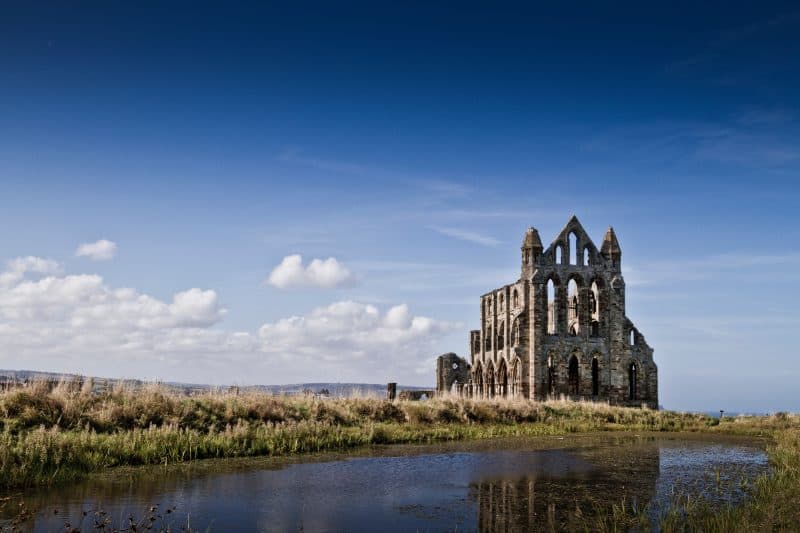
Yorkshire is rich in places that feel impossible to replace. From the soaring ruins of Fountains Abbey to the weathered stone of countless village churches, our heritage is woven into the landscape. Yet stone erodes, timber rots and time takes its toll on even the sturdiest landmark. This is where an unlikely tool is quietly helping. With a high-resolution USB3 camera, conservators can now capture a structure in extraordinary detail, recording every crack and carving so that a faithful digital copy survives even as the original slowly ages.
It is a curious meeting of old and new. The same kind of camera used to inspect tiny components on a production line can be turned towards a centuries-old wall and used to document it with remarkable accuracy. Imaging specialists such as VA Imaging produce the compact cameras that make this level of detail possible. For a county as proud of its history as Yorkshire, the idea that our most treasured sites can be preserved in this way is genuinely exciting.
How a Landmark Becomes a Digital Record
Turning a sprawling abbey or a delicate carving into a digital archive is more involved than simply taking a few photographs. It is a careful process that combines patience, the right equipment and a deep respect for the subject.
Capturing Every Detail
The work begins with imaging the structure from many angles, often in fine sections, so that nothing is lost. Camera quality matters enormously here, because the goal is to record not just the overall shape but the texture of the stone, the wear of centuries and the marks left by the original craftsmen. Resolution and lighting together determine whether a faint inscription or a hairline fracture is captured or missed. Done well, the result is a record detailed enough to study long after the imaging team has packed up and gone home.
Storing It for the Future
Once captured, these images are assembled into a digital model that can be explored, measured and shared. This archive becomes a reference point for conservators planning repairs, for researchers studying the site and, increasingly, for the public who may never be able to visit in person. Crucially, it also serves as insurance. Should a structure be damaged by weather, accident or simply the passage of time, a detailed record exists to guide its repair.
Heritage Sites Leading the Way in Yorkshire
Across the county, the potential for this kind of work is everywhere you look. Yorkshire’s wealth of historic sites makes it a natural home for heritage imaging, and there are several reasons the approach suits our landmarks so well.
- Ancient ruins: sites like the great abbeys, exposed to the elements for centuries, benefit from a detailed record that tracks how they are weathering over time.
- Carved stonework: intricate masonry and inscriptions can be captured in a level of detail that protects the knowledge of them even if the stone itself fades.
- Industrial heritage: Yorkshire’s mills and machinery tell the story of its working past, and imaging helps preserve structures that are often harder to maintain than grand monuments.
- Rural churches: smaller sites with limited funds can still be documented thoroughly, giving communities a lasting record of buildings central to local history.
- Museum collections: beyond buildings, individual artefacts can be archived in detail, making them easier to study and to share with a wider audience.
Each of these reflects a different corner of Yorkshire’s identity, and each stands to gain from the simple act of being recorded carefully before time has the final say.
Why It Matters Beyond the Archive
There is something deeply reassuring about knowing our heritage is being safeguarded in this way, but the value goes beyond preservation alone. A detailed digital record can bring a site to life for people who cannot climb the hill to reach it, support the careful planning of repairs and help the next generation understand what they have inherited. The ruins and relics that make Yorkshire special were never meant to last forever, yet with the right tools we can hold on to their detail for far longer than the stone itself. That feels like a fitting way to honour the places we love.