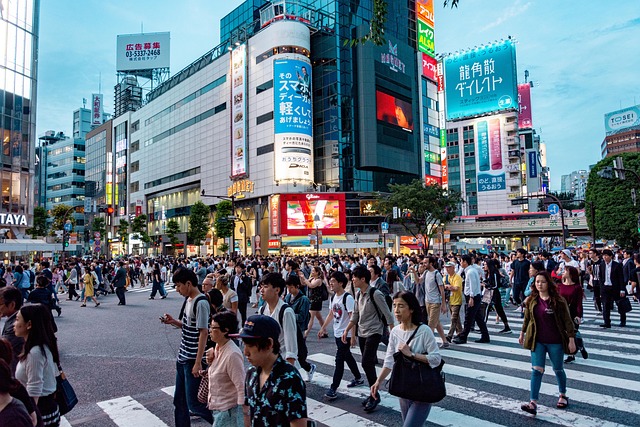
Few countries in the world hold a candle to Japan when it comes to both technological and cultural sophistication. Adding Japan to your travel bucket list is a no-brainer! But is a trip there equally appealing for people with different mobility or other accessibility needs?
This article will introduce you to various aspects of traveling in Japan with accessibility in mind. By the time you’re done, you’ll have a clear picture of what challenges to expect and can make an itinerary for the best possible experience.
Transportation
Japan’s various transportation options mostly cater well to various disability needs. The Shinkansen, as well as major rail and subway stations, boast a developed accessibility infrastructure. This includes ramp access and staff assistance for wheelchair users, while the visually impaired can rely on audio cues and tactile paths.
Travelers may need to arrange assistance before the ride so staff can help with transfers. Understanding the different types of VPN available will help you securely make such arrangements, access maps, or use real-time translation apps on the fly while connected to public networks.
Buses in metropolitan areas like Tokyo and Osaka are level with the pavement and have designated areas for wheelchair access. Specialized taxis that accommodate wheelchairs are also common.
Many rural train stations still lack accessibility improvements, as do most inter-city buses.
Accommodations
Japan is a country of contrasts when it comes to accessibility in accommodations. On the one hand, newer hotels, especially if they’re part of a chain, are built in accordance with the Barrier-Free Law. This means that rooms themselves are accessible, and the included bathroom is both spacious and includes required features like guardrails and roll-in showers.
Older accommodations may not be up to code, especially the ryokan, Japan’s traditional inns. Their traditional layout features narrow corridors, rooms designed for sleeping on futons, and higher floors only reachable via staircases. Some are making changes, but many can’t without extensive renovations that would compromise their historical and cultural authenticity.
Public Spaces
Cities, especially the largest ones, generally maintain a high level of accessibility. Sidewalks on major streets are spacious. They have curb cuts for easier access, and tactile lines are present on most as well. However, they’re often crowded, which makes navigating in a wheelchair harder.
Public bathrooms increasingly cater to wheelchair users by offering a wide, dedicated universal area. Newer elevators feature lower buttons, further contributing to wheelchair users’ independence.
Rural areas and side streets that lie off the beaten path aren’t as accommodating, and neither are small shops. The aisles tend to be narrow, and the staff may not understand English. If you still want to explore such areas, securing NordVPN deals beforehand will enable you to communicate more securely and stay connected without compromising your data privacy while searching for information.
Tourist Sites
A comprehensive cultural and tourist experience in Japan is possible, but some sites remain inaccessible.
For example, new attractions like the Tokyo Skytree or Osaka’s Kaiyukan Aquarium are fully equipped with ramps, elevators, and other accessibility features. Historical sites aren’t necessarily excluded, either. The famed Himeji Castle now has wheelchair access with accompanying guided tours.
Conversely, adapting other culturally or spiritually significant sites isn’t as straightforward. Some of Kyoto’s most iconic temples and shrines, like Kinkaku-Ji and Fushimi Inari, are only partially navigable via wheelchair and have lots of steps that complicate visits.
Conclusion
Japan has made impactful and commendable strides in the last quarter-century to create a more inclusive environment, both for its own aging population and differently-abled travelers. It’s a welcoming, accommodating destination you can get a lot out of if you keep the limitations we mention here in mind.