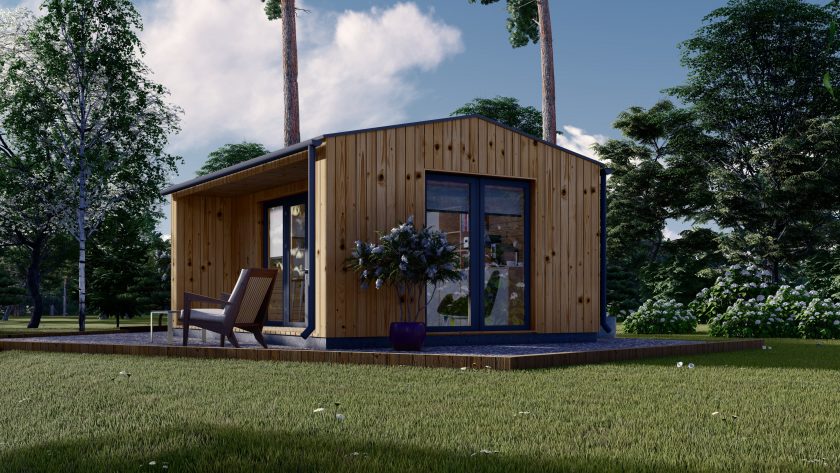
The UK property market is undergoing a subtle change, with homeowners exploring novel ways to create space beyond extensions, particularly in their gardens. A bespoke garden room is a flexible, value-adding solution for expanding living space, creating areas that can be used as workspaces or relaxation zones.
The UK garden rooms market was worth £226 million in 2024 and is expected to grow further by 2026. Growth is driven by hybrid working models and a need for better functionality at home.
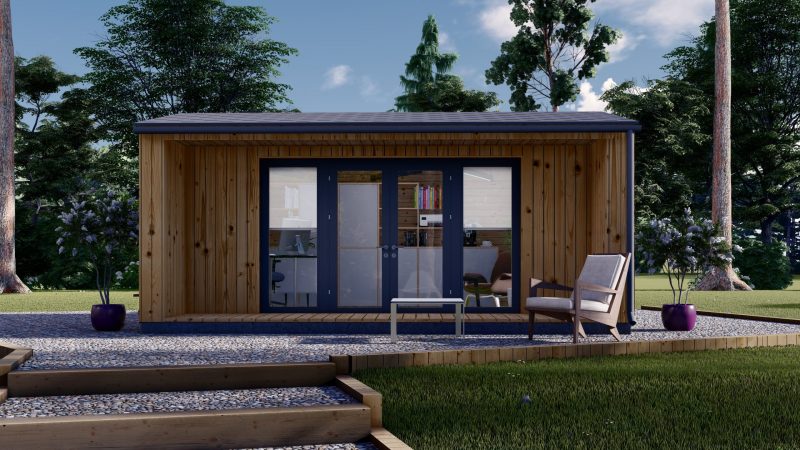
Why UK Homeowners Are Choosing Garden Rooms Over Extensions
UK homeowners are increasingly choosing garden rooms because of favourable aspects of planning, costs, and disruption. Garden rooms usually avoid the challenges and hassles of conventional home extensions – providing a simpler way to add additional living space.
In today’s world, where efficiency and minimal hassle are much appreciated, this preference is growing.
- Most garden rooms do not require planning permission.
- Garden rooms usually cost around 25% less than traditional home extensions.
- Installation is quicker, taking only 4-8 weeks in contrast to 3-6 months for extensions.
Construction causes minimal disruption to the main home, allowing daily life to continue during the build.
What Are the 5 Most Popular Uses for Bespoke Garden Rooms?
Bespoke garden rooms are versatile spaces that are transforming how homeowners use their properties. As lifestyles change, so has the demand for dedicated areas to cater to the homeowner’s needs. Average garden room size has increased from 16.3m² in 2025 to 17.5m² in 2026, reflecting growing demand for larger, year-round usable spaces.
The expansion allows for the use of gardens for a range of possible uses.
1. Home Offices
Annual Google searches in the UK for ‘garden offices’ were 22% higher than pre-pandemic levels, illustrating how the garden office is now here to stay. Garden offices separate work from home life and allow users to be more productive.
Quiet, dedicated workspace free from household distractions. It creates a separate work area for better work-life balance. It usually features integrated broadband, ergonomic seating, and climate control.
2. Garden Studios for Creative Professionals and Hobbyists
Having a garden studio offers artists privacy to indulge in painting, pottery, music and more. These areas provide the needed silence and inspiration without having to modify internal spaces.
This is ideal for music, art, writing, or other creative hobbies. It may be soundproofed and fitted with specialist lighting. It provides a private space for concentrated work or relaxation.
3. Guest Accommodation
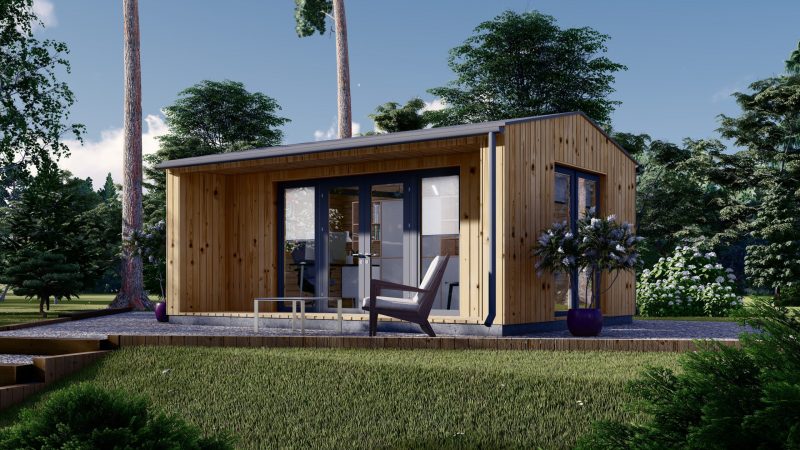
Garden rooms are a cost-efficient alternative to pricey loft conversions or home extensions for accommodating guests. Visitors can find privacy and comfort in them, which are sometimes en-suited. It is a private retreat for guests and family and it avoids the high costs and disruption of internal home modifications.With the right insulation and heating, it can be used year-round.
4. Home Gyms and Wellness Spaces
People are increasingly looking for personal fitness and wellness zones and are therefore opting for garden rooms to make private gyms or yoga studios. It provides comfort and privacy away from commercial gyms. This is a space where you can work out, do yoga, or meditate. It lowers travel duration and subscription costs for external facilities.
5. Multi-generational Living: Teenager Retreats and Elderly Parent Annexes
Garden rooms can adapt to changing family situations. They are great for teenage children or elderly relatives who need independent space. This provides closeness without losing independence, and creates a separate, private retreat for teenagers and young adults. It can serve as a discreet annex for elderly parents living nearby. It is crafted to be safe and comfortable for long-term use.
Design Flexibility: What Makes a Garden Room ‘Bespoke’?
Garden rooms are uniquely ‘bespoke’ because they can be created to the homeowner’s style and needs, giving homeowners full control over the design process. The interior of the room becomes an extension of the garden and the architecture of the main house.
Smart technology and low-maintenance materials are influencing garden room designs, which are increasingly focused on “comfort, control and confidence” in 2026.
Customization Options: You can customize the size and layout, as well as internal finishes and external cladding (cedar, composite, rendered).
Glazing and Doors: For optimum lighting and views of your garden, choose bifold doors, sliding doors, or full-height windows.
Insulation and Climate Control: High-quality insulation, underfloor heating, together with air conditioning, keep the interiors comfortable and conducive all year round.
Architectural Styles: Architectural styles range from contemporary glass box designs to more traditional timber structures that integrate with the existing garden style.
Smart Technology Integration: Lighting, heating, security, and sound systems can be automated and integrated.
Conclusion: Your Garden’s Untapped Potential
In the UK, homeowners are opting for bespoke garden rooms to extend their houses without the hassle of relocating. This sustained demand for hybrid working and a desire for flexible, personalised environments is driving the need for a smarter, more efficient, and value-adding solution than traditional extensions can offer.
By understanding the practicalities and accepting the freedom of design, homeowners can make their gardens entirely bespoke. The installation of garden rooms is not only a lifestyle investment but also a good way to add value to a property. They are now being regarded as a fixed feature in the design of homes across the UK.