Walk down any British supermarket aisle and most of what you see is ultra-processed. Ready meals, packaged snacks, fizzy drinks, and mass-produced bread have quietly become the default rather than the exception. For a nation that prides itself on good food, that is a striking shift.
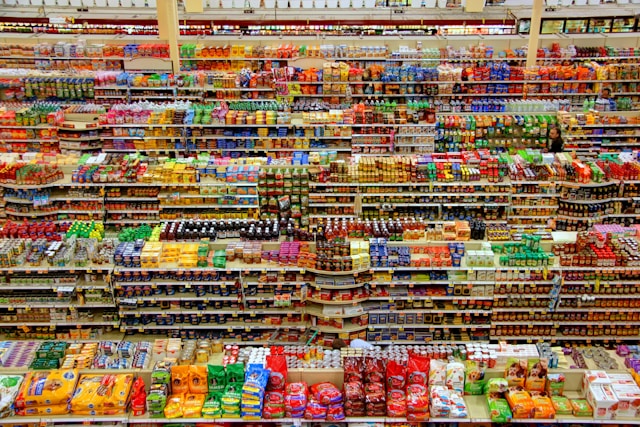
Photo by Peter Bond on Unsplash
The scale of it surprises people. A look at the latest ultra processed food statistics compiled by Level 2 Food Hygiene reveals how dominant these products have become in the British diet. This guide explains what counts as UPF, how much we eat, why it matters for health, and how to cut back without overhauling your life.
What Counts as an Ultra-Processed Food?
Ultra-processed food is not just food that has been cooked or packaged. The term refers to industrial formulations made largely from substances you would not find in a home kitchen.
Think additives, emulsifiers, sweeteners, and ingredients with unfamiliar names. A home-cooked meal using flour, butter, and vegetables is processed in the everyday sense, but it is not ultra-processed. The official advice on the different types of food helps separate normal cooking from industrial manufacture. The simplest test is the ingredient list: long, unpronounceable, and full of additives usually signals UPF.
Common examples make it clearer. Mass-produced bread, breakfast cereals, fizzy drinks, packaged biscuits, and ready meals nearly all qualify. When in doubt, the kitchen-cupboard test rarely fails: if you could not make it with ordinary kitchen ingredients, it is probably ultra-processed.
How Much UPF Do We Actually Eat?
The honest answer is far more than most people realise. The UK is among the heaviest consumers of ultra-processed food in Europe.
Studies put ultra-processed food at well over half of the average British adult’s energy intake, with figures often cited around 57 per cent. For children and teenagers the share is higher still, with studies putting it around 65 per cent of what they eat. Government advice continues to evolve, as seen in official work on processed foods and health. Those numbers are not a fringe concern, they describe the typical plate.
The reasons are easy to understand. UPF is cheap, convenient, heavily marketed, and engineered to taste moreish, which makes it the path of least resistance.
Why Do Ultra-Processed Foods Matter for Health?
This is where the statistics stop being abstract. A growing body of research links high UPF consumption with poorer health outcomes.

Photo by Redd Francisco on Unsplash
The concerns are consistent across studies:
- Weight gain, since UPF is energy-dense and easy to overeat.
- Heart and metabolic risk, associated with diets high in these foods.
- Lower nutrient quality, as UPF often crowds out whole foods.
- Overeating, because the products are designed to be hard to stop eating.
It is worth keeping perspective, though. Not every packaged food is harmful, and an occasional treat is part of normal life. The issue is the sheer proportion of the diet UPF now occupies, not the rare biscuit. Balance, rather than fear, is the sensible response to the numbers.
How Can You Cut Back Without Going Extreme?
The goal is not a perfect, additive-free life, which is unrealistic for most busy households. Small, sustainable swaps do far more than a short-lived crackdown.
A few practical steps help:
- Cook a little more from scratch, even one extra meal a week.
- Read labels, choosing products with shorter ingredient lists.
- Swap the obvious culprits, like fizzy drinks and packaged snacks.
- Batch-cook, so a homemade option is as convenient as a ready meal.
Building in a proper home-cooked meal, such as a traditional Sunday lunch, is a simple anchor for the week. Progress, not perfection, is what makes the change stick.
Eating a Little More Real Food
The ultra-processed food numbers are a useful wake-up call, not a reason to panic. They simply show how far convenience has shifted the British diet, and how much room there is to bring real food back.
A few habits go a long way:
- Notice the proportion, of UPF on your plate over a week.
- Add one home-cooked meal, then build from there.
- Favour whole ingredients, without chasing perfection.
Even baking at home now and then, with nothing fancier than a set of Yorkshire pudding tins, tips the balance back toward real food. Small, steady changes are what genuinely last. You do not need to be perfect, just a little more deliberate than the supermarket would prefer.
Frequently Asked Questions
Is All Processed Food Bad for You?
No, and this is a common misunderstanding. Processing covers everything from freezing and tinning to baking bread, much of which is perfectly healthy. The concern is specifically ultra-processed food: industrial formulations heavy with additives and ingredients you would not cook with at home. Plenty of minimally processed foods, like tinned beans or frozen vegetables, are nutritious, affordable, and a sensible part of a balanced diet.
How Do I Know if Something Is Ultra-Processed?
Check the ingredient list. If it is long and includes additives, emulsifiers, sweeteners, or names you do not recognise from a home kitchen, it is very likely ultra-processed. Foods made from a handful of whole ingredients usually are not. It is not a perfect rule, but it catches most cases. Packaging that is heavily branded and engineered for long shelf life is another strong clue.
Why Is the UK So High In UPF Consumption?
A mix of cost, convenience, and marketing. Ultra-processed foods are cheap to produce, quick to prepare, and heavily promoted, which suits busy modern life. They are also engineered to be very palatable, so they are easy to overeat. Combined with long working hours and tight budgets, that makes UPF the default choice for many households rather than a deliberate one.
What Is the Single Best Change to Make?
Cook a little more from scratch. You do not need to overhaul everything overnight. Adding even one or two home-cooked meals a week steadily shifts the balance of your diet and builds the habit. Pair that with reading labels on the products you buy most often, and you will cut your ultra-processed intake meaningfully without feeling deprived or spending a fortune. Even trimming 10 to 20 per cent makes a real difference over a year.