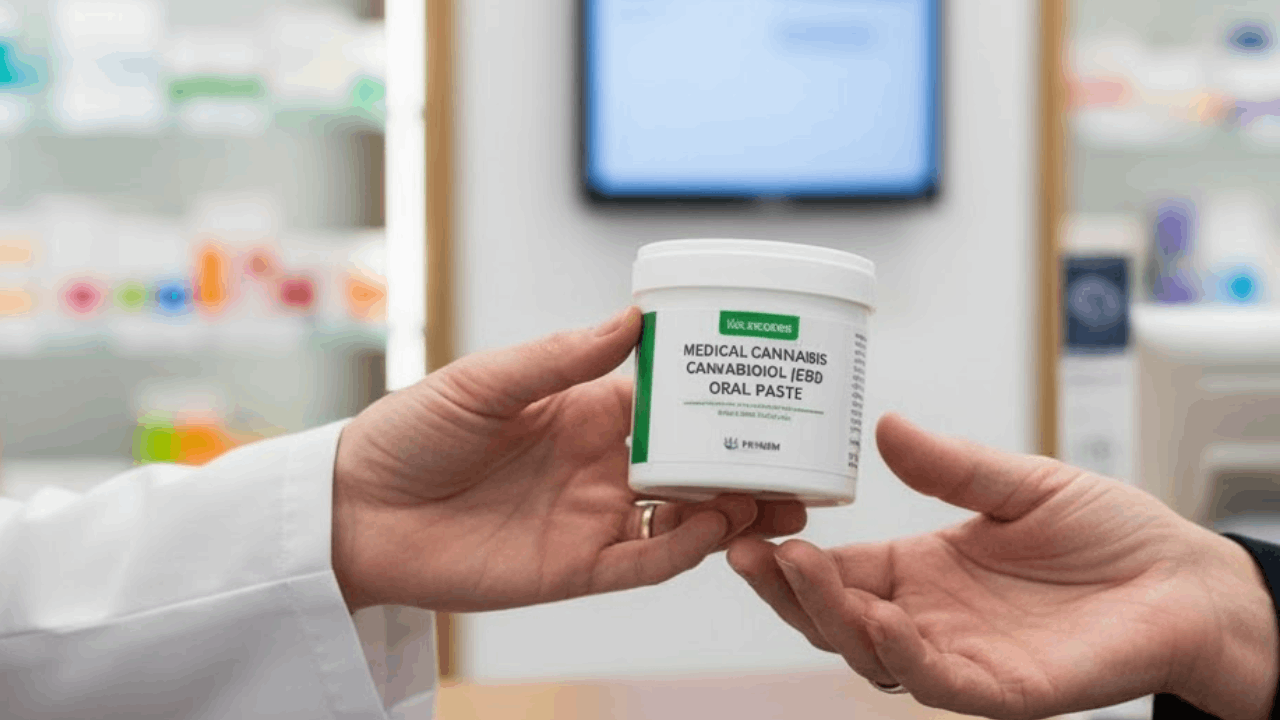
Around 20% of Yorkshire’s population are in the over 65 age group. Although not so prevalent yet in England, across the world millions of elderly people are turning to legal medical cannabis to deal with some of the challenges of ageing. The UK has had a legal medical cannabis market since 2018, and currently tens of thousands of people are taking up this potentially life-changing treatment. What do you need to know about it?
This article will look at the current state of play in the UK and the kind of conditions and symptoms that older patients can get prescribed medical cannabis for, as well as what the science and the law says about its efficacy. It will also touch on the non-psychoactive cannabis compound cannabidiol (or CBD) and the effects it can have on common ailments in older people, and what interested patients might bring up in a clinical consultation if they decide to go down that route.
More and More Elderly Patients are Finding Pain Relief with Medical Cannabis
Some 60,000 people in the UK are now prescribed legal medical cannabis, including thousands in Yorkshire. A significant percentage of these patients are in the over 65s demographic. Common symptoms of various health conditions prevalent in older people that medical cannabis has shown evidence to be effective at treating, include:
- Long term chronic pain from various issues including neuropathy and inflammatory conditions
- Muscle spasticity and tremors from things like Parkinson’s
- Insomnia and other sleep issues
- Unwanted weight or appetite loss
For example, more patients in the UK are now prescribed cannabis for arthritis than ever before. Its evidence for efficacy in treating long term pain is now quite clear, and the anti-inflammatory properties of cannabinoid compound CBD are also increasingly studied. These combined make cannabis a promising treatment for arthritis symptoms, and it can be prescribed as such through legal private UK cannabis clinics right now.
Meanwhile in the world’s largest medical cannabis market – the USA – “senior citizens” (as they’re called across the pond) are the demographic showing the fastest growth in interest in the field. In one study from 2024, some 35% of US residents over 65 were at the time or in the previous year prescribed medical marijuana.
That figure stands at under 1% for the UK’s older population. Which is a much higher difference than cultural attitudes alone can account for – especially given the many similarities between the two countries. So, as much as the situation has changed in recent years in the UK, it seems many more older Brits might stand to benefit from medical cannabis who currently aren’t.
Safety, Interactions and What do Discuss with Your Clinician
Although there are no physical dispensaries in Yorkshire, you can still legally get medical cannabis delivered via a prescription from a private clinic. If you fit the following criteria, you should be legally allowed to be prescribed medical cannabis:
- A clinically diagnosed medical condition from the long list of those medical cannabis has shown scientifically it can help with
- You have tried at least one – some clinics need two – treatment(s) that haven’t worked out satisfactorily
- No personal or family history of schizophrenia or psychosis
Care Quality Commission-licensed clinics like Releaf can help patients through every step of the process. From initial consultation to formulating a treatment plan to the prescription process and then delivery and follow up care, professional clinicians are trained to answer almost any question about medical cannabis you may have along the way.
Your clinician will discuss with you the various treatment options, possible drug interactions with other medications and other things you might need to be aware of. Interestingly, one of the more increasingly clear uses for medical cannabis is as a substitute for pharmaceutical opioid use in patients with long-term chronic pain.
CBD is a Non-Psychoactive Option that Can Be Taken Topically
Understandably, some older patients may be concerned about the psychoactive nature of cannabis as a medication. The active compound THC – even in small, clinically prescribed doses – does cause a perceptible change in consciousness when ingested. For most people, as evidenced by thousands of years of historic medical texts across the world and increasingly by modern scientific study, this is not a problem. In fact, it may actually, shock, be enjoyable as well as therapeutic.
But for some, the idea of being “high”, even from a certified legal medication, is just not for them. For those people, CBD might be an alternative. Cannabidiol is the second most found compound in the cannabis plant. As it is non-psychoactive it is also legal in the UK, although (somewhat confusingly) CBD cannabis flower is only legal with a prescription.
This means older patients can use topically applied CBD oils and ointments for its proven anti-inflammatory properties. It has even shown some evidence as an effective sports and exercise therapy, to decrease muscle soreness after physical activity. Something older people looking to continue, get back into or start exercise could often benefit from.
Although available in many health food shops and even corner shops and supermarkets, some patients still prefer to obtain CBD on prescription through a clinic. This is to ensure access to the highest quality, medical grade oils and CBD products that are certified to contain the dosages stated – something which isn’t always entirely accurate with every commercially available CBD product (even though legally it should be).
