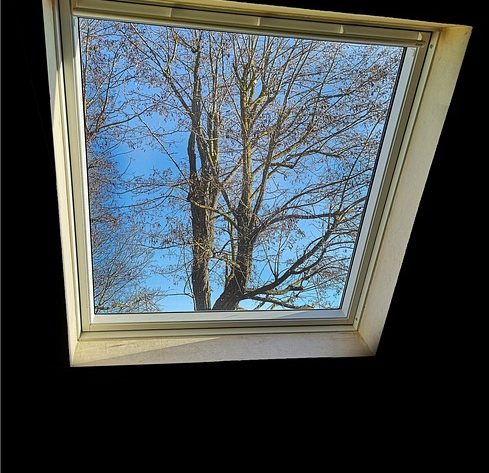
Flat roofs have quietly become one of the most flexible canvases in modern home design. From kitchen-diners tacked onto the back of Victorian terraces to neat garden studios and side-return extensions, a flat roof keeps lines clean and planning headaches to a minimum. The trade-off, of course, is light. When you remove pitched roof slopes and gable ends, it’s easy to end up with a space that feels a little boxed in—especially in the middle of the plan.
That’s where flat roof windows earn their keep. Done well, they don’t just “add daylight”; they change how a room feels at different times of day, how it ventilates in summer, and even how you use it. If you’ve ever walked into an extension that looks great on paper but feels gloomy at 3pm, you already understand the difference roof glazing can make.
In practice, today’s flat roof options are far more sophisticated than the old acrylic dome. You can choose fixed or opening units, flush “invisible” profiles, walk-on designs for roof terraces, and smart controls that close automatically if it rains. If you’re comparing approaches and want a sense of what’s available, it’s worth looking at real-world examples of roof-integrated window systems and how they’re specified in typical extensions.
Why flat roof windows feel different to vertical glazing
A vertical window is great for views, but roof glazing behaves differently—and often more powerfully.
Daylight that reaches deeper into the room
Rooflight daylight tends to penetrate further into the floorplate because it enters from above and spreads more evenly. In open-plan extensions, this can mean the difference between a bright dining area near the garden doors and a dim kitchen zone at the back. As a rule of thumb, placing roof glazing closer to the “dark middle” of a space is more effective than adding more glass at the perimeter.
A room that changes with the day (in a good way)
Top light is dynamic. Morning sun can be soft and angled; midday light is bright and crisp; late afternoon can create a warm wash across textured surfaces. If you’re investing in materials—timber floors, stone worktops, plaster finishes—roof glazing helps them read the way you intended.
Fresh air matters: ventilation and comfort, not just brightness
Light sells the idea. Ventilation is what you’ll appreciate on a sticky July evening.
The stack effect: a free assist from physics
Warm air rises. An opening roof window becomes a high-level exhaust point, drawing cooler air through lower openings (like bifold doors on trickle ventilation or a cracked side window). This “stack effect” can reduce reliance on fans, particularly in kitchens where heat and moisture build quickly.
Humidity, condensation, and indoor air quality
Flat roof windows also play a role in managing moisture—especially in bathrooms, utility rooms, and kitchens. The key is controllable ventilation. A fixed rooflight above a shower looks beautiful, but without an extractor and/or opening capability, you may end up battling condensation on cold mornings. Modern glazing can help, yet it can’t compensate for poor airflow planning.
Choosing the right specification: what actually makes a difference
It’s easy to get distracted by aesthetics (flush, frameless, minimal), but performance details are what determine comfort year-round.
Glazing performance: balance heat loss and heat gain
Look beyond “double vs triple” and focus on the overall package:
- U-values (lower generally means less heat loss in winter)
- Solar control coatings (reduce overheating risk in summer)
- Acoustic performance if you’re under flight paths or near traffic
- Self-cleaning coatings for hard-to-reach installations
If your extension faces south or west and you’re adding multiple rooflights, solar control is often the unsung hero. Overheating is now a common complaint in highly insulated homes, and roof glazing can be a major contributor if it’s oversized or specified without thought.
Opening mechanisms: manual, electric, or smart
Manual opening is simple and reliable, but think about access. If the rooflight sits over a kitchen island or double-height void, electric operation quickly becomes less of a luxury and more of a practicality. Rain sensors are genuinely useful in the UK climate; they remove the low-grade anxiety of “Did we leave it open?”
Kerbs, upstands, and waterproofing details
Many flat roof window failures aren’t product failures—they’re detailing failures. The interface between roof covering, kerb/upstand, and frame is where leaks happen. You want:
- Correct upstand height for the roof type and local exposure
- Clean integration with the waterproofing system (single-ply, GRP, felt, etc.)
- Proper falls so water doesn’t pond around the unit
If you take nothing else away: insist on clear responsibilities between roofer and installer, and make sure the build-up is drawn and agreed before anyone starts cutting openings.
Placement and proportions: getting the design “quietly right”
The best flat roof windows often don’t shout. They simply make the room feel resolved.
Use roof glazing to fix the awkward bits
Side-return extensions and deep rear additions often create a “tunnel” effect—bright at the garden end, dim in the middle. A rooflight placed over the transition zone (where old meets new) can visually stitch the spaces together. In many refurb projects, that moment is where the home either feels cohesive or like two separate houses bolted together.
Think about what you’ll see from below
You don’t only experience a rooflight through the light it throws—you experience it as an object overhead. Aligning roof windows with key axes (kitchen run, island, dining table) creates calm. Random placement can make a well-finished extension feel oddly unsettled.
Common mistakes—and how to avoid them
A few predictable missteps account for most disappointments:
Oversizing without a comfort strategy
Big glass looks dramatic, but it can introduce glare, overheating, and night-time heat loss. If you want expansive roof glazing, pair it with solar control glass, ventilation planning, and (where appropriate) blinds designed for roof windows.
Ignoring maintenance and access
Can you reach the controls? Can you clean the glass safely? If not, you’ll either stop using the opening function or take unnecessary risks. Choose finishes and coatings with your real-life access in mind.
Treating the roof window as an afterthought
Structurally, roof openings affect joist layouts, trimming requirements, and sometimes steelwork. Bring roof glazing into the conversation early—ideally at concept stage—so it’s designed in rather than squeezed in.
The bottom line: a small change that reshapes daily living
Flat roof windows are one of those interventions that pay you back quietly, every day. They can make a compact extension feel generous, keep air moving without fuss, and bring a sense of daylight that vertical glazing alone often can’t match.
If you’re planning a project, focus less on the headline look and more on the lived experience: where the light will fall at 9am, how the room will breathe during a dinner party, and whether the detailing will still perform after five winters. Get those right, and your flat roof won’t feel like a compromise—it’ll feel like a design advantage.