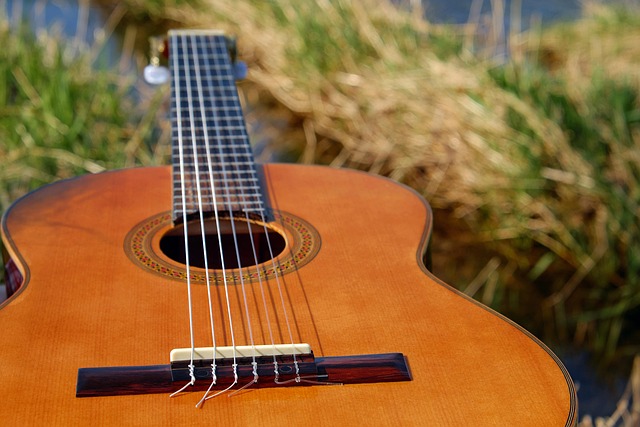
The guitar is found in more unique musical settings than any other instrument. It is found in concert halls, studios, on the streets, at folk festivals, in jazz clubs, at heavy metal concerts, and in the living rooms of fingerpickers, and it fits into each context as if it were native to it. The acoustic bass guitar has its own niche in this astonishing diversity, showing that even the guitar’s cousins are part of the instrument’s seemingly endless possibilities. Exploring the reasons why the guitar took this place tells us something about the relationship between instruments and cultures.
Physical Accessibility and Its Consequences
The guitar’s physical dimensions are well matched to human proportions, allowing relatively quick initial gains. Early chord shapes offer musical rewards within a matter of weeks, something not achieved with more technically challenging instruments. This makes the instrument easier to approach, but does not restrict what it can ultimately do, a combination rarely achieved by other instruments.
The result is an instrument that is continually embraced by people from all walks of life, different musical traditions, and various cultures. Each new group of players brings its own musical priorities, aesthetic influences and technical approaches that broaden the instrument’s perceived capabilities.
Classical Guitar and Its Separate World
The classical guitar world is nearly a parallel universe to the guitar’s popular music forms. Nylon strings, a particular right-hand fingerstyle technique that has evolved over centuries, a repertoire of solo repertoire that ranges from transcriptions of Renaissance lute works to contemporary composition, and a performance practice with its own set of standards, are elements of a culture that may surprise casual listeners who have heard the same instrument played in rock music.
Classical and electric guitarists are part of the same instrument family but inhabit different technical and cultural worlds. This is a measure of its versatility. Very few instruments accommodate two such distinct technical traditions without either seeming like a compromise.
The Recording Studio as the Guitar’s Second Home
The electric guitar’s connections to recorded music are so profound that it is difficult to separate the music of the 20th century from the instrument that defined it. From the earliest blues recordings to rock and roll, soul, funk, country and metal, the guitar offered the musical raw material from which vast swaths of popular music were constructed.
The studio and the guitar co-evolved to enhance each other. The electric guitar’s responsiveness to signal processing, its ability to occupy any frequency band depending on how it is amplified and processed, and its dynamic responsiveness to playing technique made it the ideal instrument for exploiting the creative possibilities offered by recording technology over the years.
Folk Traditions and the Guitar’s Adaptability
The guitar is an instrument that absorbed folk traditions from all over the world with a versatility that few other instruments enjoy. Guitar technique developed for flamenco doesn’t sound like Brazilian choro, which doesn’t sound like West African guitar playing, which doesn’t sound like Appalachian flatpicking. Each tradition reshaped the instrument to suit its own needs without crowding out the others.
The assimilation continues today. Today’s players who combine multiple folk styles create hybrids that the guitar easily absorbs, adding new layers to its versatility.
Why Versatility Attracts More Versatility
The guitar’s versatility attracts versatility. Instruments tied to a particular genre or style attract those who play in that genre or style. The guitar draws players from all backgrounds because there are examples of its use in almost every context to draw inspiration from. Every player who expands the instrument’s use into a new context creates more possibilities, encouraging still more players to take up the instrument. This diversity of approaches is why the guitar’s versatility continues to grow, rather than levelling out at a certain threshold of contextual diversity.


