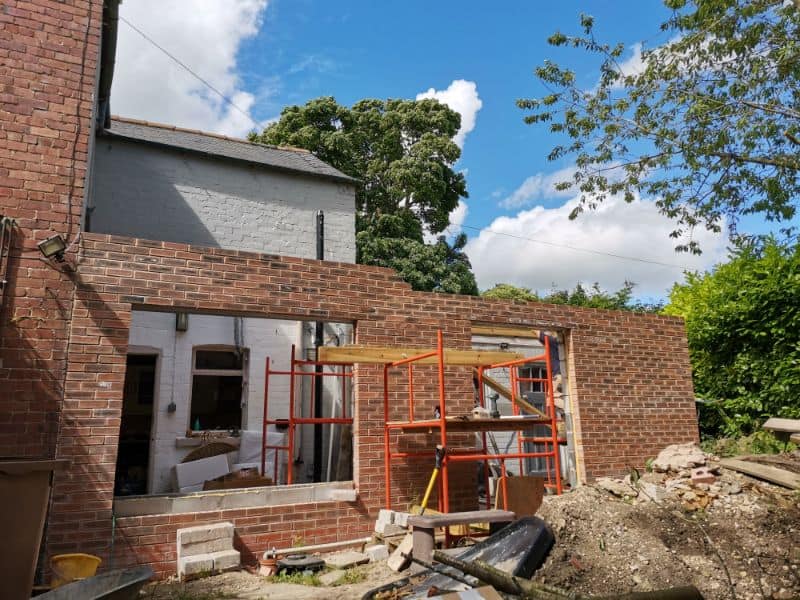
Picking the right scaffold tower size can make the difference between a safe, efficient project and one that wastes time and money. Many people struggle to work out which tower height they need or how much space their project requires. These mistakes can lead to unsafe conditions or unnecessary costs.
The right scaffold tower must provide safe access to your work area whilst meeting height requirements, weight capacity needs, and site conditions. Most standard two-storey houses need a tower with a height of 6 to 7 metres. However, your specific project might require something different based on several factors.
This guide breaks down everything you need to know about tower selection. You will learn which factors affect your choice, how to measure your requirements correctly, and how to match the right equipment to your job. The process becomes simple once you understand the key elements that determine tower size.
Factors Influencing Scaffold Tower Size Selection
The right scaffold tower size depends on several key measurements and project details. Height requirements, available space, and weight limits all shape the final choice.
Assessment of Project Requirements
Every project has unique demands that determine the appropriate tower size. The task type influences the platform size needed for tools, materials, and worker movement. For example, painting work requires less platform space than electrical installations or brickwork repairs.
Project duration also affects the selection process. Short-term jobs might benefit from scaffold tower hire Lakeside Hire providers offer, which eliminates storage concerns. Conversely, frequent or extended projects may justify a purchase.
The number of workers who need simultaneous access matters significantly. A single operative requires minimal platform space, whilst multiple workers need larger platforms to work safely together. Budget constraints must balance against safety requirements and project efficiency. However, cost considerations should never compromise worker safety or appropriate tower specifications.
Working Height and Platform Height Considerations
The distinction between platform height and working height proves essential for proper tower selection. Platform height represents where workers stand, whilst working height accounts for an additional reach of approximately 2 metres above the platform. Most two-storey residential buildings require towers with 6m to 7m working heights.
Accurate measurement prevents costly mistakes. Workers should measure from ground level to the highest point they need to reach comfortably. Adding 2 metres to the required reach height determines the necessary platform height.
Indoor ceiling work typically needs 3m to 4m working heights. External wall repairs on standard houses demand 5m to 7m. Larger commercial buildings may require towers that reach 10m or more. Some projects need adjustable towers that accommodate varying heights across different work areas.
Site Access and Space Constraints
Available space dictates which tower configurations remain feasible. Narrow alleyways, doorways, or stairwells limit tower widths and base sizes. Standard towers measure between 0.7m and 1.4m in width, though specialised narrow towers exist for confined spaces.
Ground conditions affect stability requirements. Uneven terrain needs stabilisers or outriggers to maintain safe working platforms. Soft ground demands base plates that distribute weight more effectively than standard feet.
Entry points restrict tower dimensions too. Towers must fit through doorways or gates to reach interior work areas. Folding towers offer solutions for tight access points, as workers can collapse them partially for passage then reassemble them at the work location. Storage space availability matters for projects that span multiple days or weeks.
Load-Bearing Capacity Needs
Weight capacity encompasses workers, tools, and materials combined. Standard scaffold towers typically support 150kg to 275kg per platform level. Light-duty domestic tasks usually fall within the lower range, whilst construction work often demands higher capacities.
Tool weight adds up quickly. Power tools, paint buckets, and building materials can easily exceed 50kg before counting worker weight. Multiple workers compound these loads substantially. Therefore, calculations must account for maximum potential loads rather than average use.
Different tower types offer varying load ratings. Aluminium towers provide lighter weight for easier movement but have lower capacities than heavier-duty steel alternatives. Manufacturers specify maximum safe loads clearly in their documentation. Exceeding these limits creates serious safety hazards and potential collapse risks.
Choosing the Ideal Scaffold Tower for Your Project
The right scaffold tower depends on the specific tasks at hand, adherence to safety regulations, and the selection of appropriate materials and design elements that suit the work environment.
Matching Scaffold Types to Project Tasks
Different projects require different scaffold configurations. Interior work such as plastering, ceiling repairs, or electrical installations typically needs a compact tower that fits through doorways and operates well in confined spaces. These towers often have smaller platform sizes but provide sufficient height for indoor tasks.
Exterior projects demand towers with larger platforms and greater stability. Façade work, painting, or brickwork repairs benefit from wider working areas that accommodate tools and materials. Mobile towers with lockable castors prove useful for tasks that require frequent repositioning along walls or structures.
Height-intensive projects need towers with multiple deck levels. Workers can position tools and supplies at various heights, which reduces the need for constant climbing. However, taller structures require additional stabilisers or outriggers to prevent tipping. Projects in exposed locations should use heavier-duty towers that resist wind loads.
The weight capacity matters for every task type. Light maintenance work might only require a tower rated for one or two workers with minimal tools. Heavy-duty tasks such as construction or material handling need towers rated for higher loads, often 275 kg or more per platform level.
Compliance with Safety Standards and Regulations
All scaffold towers in the UK must meet BS EN 1004 standards. This regulation specifies requirements for mobile access and working towers, including design, materials, and safe use guidelines. Purchasers should verify that any tower carries the appropriate certification marks.
Regular inspections form part of legal compliance. The Work at Height Regulations 2005 require competent persons to inspect towers before first use, after alterations, and at suitable intervals during use. Documentation of these inspections must be maintained.
Guardrails and toe boards are mandatory safety features. Towers must have guardrails at all working levels to prevent falls. Toe boards stop tools and materials from falling off platforms. The tower should include these components as standard rather than optional extras.
Base stability affects overall safety. Towers need secure foundations on level ground. Stabilisers or outriggers increase the base width and prevent tipping. The maximum safe working height relates directly to the base dimensions, so users must follow the 3:1 rule: the base width should be at least one-third of the working height.
Selecting Materials and Design Features
Aluminium towers offer the best balance of strength and weight for most applications. They resist corrosion, require minimal maintenance, and remain light enough for easy assembly and transport. Two workers can typically erect an aluminium tower without mechanical assistance.
Frame design affects both stability and usability. Narrow frames suit restricted spaces but have lower working heights. Wide frames provide better stability for taller configurations. Some systems offer adjustable widths, which adds versatility across different project types.
Platform options vary between solid decks and trapdoor styles. Solid platforms provide the largest work area but require external ladders for access. Trapdoor platforms allow internal climbing through the tower structure, which improves safety but reduces usable space slightly.
Wheel quality determines mobility and longevity. Larger diameter castors roll more easily over uneven surfaces. Brakes must lock both the wheel rotation and the swivel action to prevent movement during use. Double-locking mechanisms provide extra security on sloped surfaces.
Modular systems allow future expansion. Towers with compatible components let users add height, adjust width, or incorporate accessories such as stair units or cantilever arms as project needs change. This flexibility reduces long-term equipment costs.
Conclusion
The right scaffold tower size depends on three main measurements: platform height, access height, and total tower height. Project managers should measure the work area first, then select equipment that matches both height requirements and ground conditions.
Safety standards and weight capacity must align with the specific tasks planned for each job. A tower that fits the project properly reduces risks and helps workers complete their tasks more efficiently. Most two-storey residential projects need a 6m or 7m tower, but commercial sites often require different specifications.
Taking time to assess project needs before selection saves money and prevents delays. The correct size scaffold tower provides safe access to all work areas without unnecessary complications.