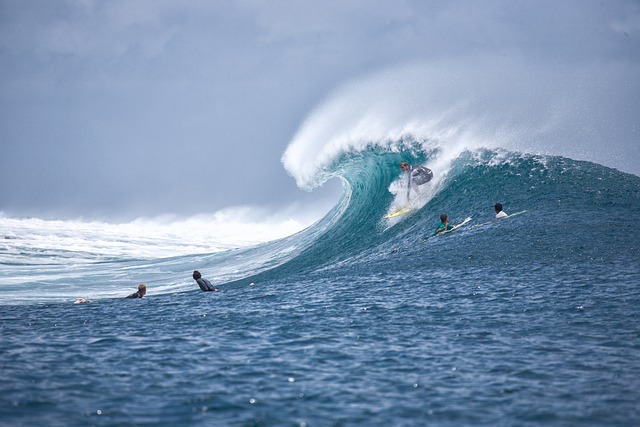
New Zealand has long been a dream destination for surfers seeking variety, breathtaking scenery, and uncrowded line-ups. Stretching across two main islands and countless hidden coastal corners, the country offers waves for nearly every skill level. Whether you’re chasing powerful winter swells or mellow summer beach breaks, surfing in New Zealand isn’t just about riding waves—it’s about immersing yourself in a raw, untamed coastal culture that leaves a lasting impression on visitors.
Travelling surfers often approach their trip as a full lifestyle experience, planning everything from accommodation to travel gear and even downtime essentials such as snacks, photography tools, or small comfort items like ALT vapes to unwind after long sessions. The modern surf traveller values convenience and portability, which reflects the overall shift towards personalised travel experiences that blend adventure with comfort.
Understanding New Zealand’s Surf Seasons
In New Zealand, the Southern Hemisphere dictates that the coastal features move in line with the change of season. So, controlling your visit can mean everything when it comes to the character of each roll of the day, including its cleanliness, population, and smoothness.
Summer (December to February)
The summer months attract the most riders with warm water from the sun, longer days. While the surf consistency may not be as prevalent, the beach breaks are great, especially on the North Island.
Summers are a popular period for those just starting or looking to improve their abilities, as they find the milder conditions more conducive for learning. The relaxed attitude of the surf culture can also be a big part of the vacation.
Travellers tend to travel in groups or with their families and friends during summer seasons, and when selecting a place to visit, convenient access is a dealbreaker.
Autumn (March to May)
For many veteran surfers, the magic is alive and well in autumn, with a steadier swell, water temperatures still feeling warm from the summer, and crowds diminished. Raglan, located in the North Island, is a standout this season, known for its legendary left-hand surf with the perfect balance of accessibility and world-class riding quality.
For those travelling during this timeframe, there is a desire for performance, and many stay longer to enjoy the better surf, exploring eco-friendly options as well.
Winter (June to August)
Winter is the go-to season for the hard-core, for those wanting power. The Southern Ocean thrashes waves, raising waves created by storms, and the West Coast of the South Island is at the receiving end of heavy, reliable surf. It’s not always easy with cold temperatures and unpredictable weather, but it does require top-shelf wetsuits, good gear, and well-thought-out plans to tackle the water.
Yet, it is a season when many people have some of the best surf experiences, willing to battle the elements. There is a different surf vibe, solitude, with fewer people and a quieter, more immersive experience with nature.
Spring (September to November)
Spring serves as a transition between winter and summer: the ocean is still lukewarm, with remnants of winter swells, while the weather begins to warm. This season suits surfers who need variety, as different spots start to pop up, providing alternatives.
During the season of spring, travellers make their way on a whim, as they like to follow the best conditions as swell patterns shift. With forecasts potentially changing, surfers like to base their decisions on minute forecasts, and itineraries aren’t set in stone. This, too, is a way of illustrating how mobile technology is affecting the world of surfing today.
Top Surf Regions to Explore
New Zealand has a uniquely varied coastline, and each region offers its own distinct flavour of surfing.
Raglan – North Island’s Surfing Icon
Raglan is one of the most iconic surf towns in the nation, and its characteristic point breaks offer waves ranging from soft to challenging, appealing to both intermediate and experienced surfers. Yet Raglan is not only about waves; the town’s artistic, gourmet cafe, and ecological spirit captivate travellers who want more than just consistent waves.
Some people even comment on how the town seems to encourage you to slow down. Some people linger longer to explore art, nature, and the concept of experiential travel.
Piha – Raw Beauty and Power

Situated near Auckland, Piha Beach is well-known for its dramatic black-sand beaches and strong surfing conditions. The location is a popular hotspot for short-term visitors, considering it is easily accessible from Auckland.
The experience here combines convenience with a touch of daredevil adventure. The chance to ride world-class waves is just a short drive away.
Taranaki – Consistency and Variety
A visit to Taranaki promises a spectacular array of breaks along its round coastline. Surfers will appreciate the reliable surf, making it a good choice for a longer surf vacation. This is a good spot for people who prefer to move between several places within a small radius.
Visitors can contribute to these communities, which operate small businesses and surf schools, thereby enhancing the destination’s casual atmosphere.
South Island West Coast – Remote and Rewarding
The west coast of the South Island of New Zealand is famous for its untamed beauty and undeveloped surf spots. A place like Westport attracts the adventurous surfer who is brave enough to venture into the unknown.
Trends suggest that these surfers value authenticity and solitude. Many travellers enjoy the campervan lifestyle, especially when surfing.
Planning Your Surf Trip
Surfing in New Zealand requires careful planning, as weather can change significantly.
Gear Preparation
First and foremost, it is essential to get the right equipment. Water temperature varies by season and location. Thus, surfers carry several wetsuits to match different temperature ranges.
Travel conveniences are also becoming more popular, especially for long coastal journeys.
Choosing Accommodation
In fact, accommodation preferences also adapt to the changing times. Classic surf hostels will always have their devotees, but surfers now also prefer alternatives like eco-lodges, campervans, and bespoke accommodation that suit green travel vibes. Being close to reliable breaks allows you to maximise your time in the water and satisfaction.
Respecting Local Surf Culture
In New Zealand, the scene is more about respect for the locals and not trashing the earth that one survives on. Visitors are asked to surf responsibly, be mindful of line-up order, and support local shops and amenities where they can.
Today’s surfers often have a deeper cultural desire for trips to involve learning about the locals and their efforts in environmental protection.
New Zealand is a world-class surfing destination, blending variety, fantastic landscapes, and friendly surfing communities. With fresh wave opportunities each season, it’s a new travel moment for riders to shape their trips based on skill, comfort, and personal travel style. For those chasing both adventure and downtime, a New Zealand surf trip provides an even-keel, memorable coastal journey. Learning the seasonal rhythm of the place and embracing local culture, the surfer creates meaning beyond the waves alone.