Wardrobe advice usually pushes men towards owning more. More layers, more colours, more options for every possible occasion. The peacoat argues against all of that. It’s one of the few coats genuinely capable of covering a client meeting, a Saturday walk, and a Friday evening out without ever looking out of place in any of them, which raises a fair question: if one coat can do that much, why do so many men still own three or four that barely get worn?
Anyone weighing up outerwear this season should start by looking at a proper Peacoats for men selection before assuming a longer overcoat or a padded jacket is the safer choice. The double-breasted front and wide lapels aren’t just a style statement. That extra layer of wool across the chest, buttoned to the neck if needed, genuinely blocks wind better than a single-breasted design, which is exactly why the navy fleets that made the coat famous relied on it in the first place. It’s a garment built around a practical problem, not a fashion trend, and that’s a large part of why it’s never really gone out of style.
The length is what makes it so versatile compared with a full overcoat. Sitting at or just below the hip, a peacoat clears trouser pockets and doesn’t bunch up when sitting down in a car or at a desk, unlike a knee-length coat that has to be managed all day. That shorter cut also means it layers cleanly under a bag strap or a rucksack, which matters more than people expect once you’re actually commuting in one every day rather than just admiring it on a hanger.
Where the peacoat genuinely earns the “one coat” argument is its range across formality. Worn over a suit, the structured shoulders and clean lapels hold their own against a client meeting. Worn over jeans and a jumper, the same coat reads as smart-casual without any adjustment needed. Few coats manage that range without looking either underdressed in one setting or overdressed in the other, and it’s the reason a peacoat tends to get worn far more often than most other coats in a rotation.
Telling a Well-Made Peacoat from an Imitation
Plenty of coats borrow the peacoat’s silhouette without doing the actual construction that makes the original work. The giveaway is usually in the buttons and buttonholes, since a genuine peacoat sees its buttons fastened and unfastened daily throughout an entire season. Anchor buttons that are simply glued or lightly stitched will loosen within a few months. Properly reinforced buttonholes, stitched to withstand that repeated stress, are one of the clearest signs of a coat built to actually be worn rather than just photographed.
Weight is the second tell. A genuine wool peacoat typically falls somewhere between twenty-four and thirty-two ounces per yard, dense enough to hold its shape without any internal padding doing the work instead. Pick one up and the difference is obvious immediately: a properly weighted coat has a certain structural heft to it, while a lighter imitation feels closer to a blazer that’s simply been cut longer. That weight is also what allows the coat to hold a clean line through the shoulders and chest instead of collapsing into folds the moment you sit down.
Fit through the shoulders and chest is where most off-the-rack coats fall short, and it’s worth paying attention to before buying rather than after. Suitsupply describes its approach to peacoats as ensuring a precise fit through the shoulders and chest while keeping enough room for the coat to sit comfortably over a jacket or jumper, which is a harder balance to strike than it sounds. Too tight, and the coat pulls at the buttons the moment anything is layered underneath. Too loose, and the structured look the design depends on disappears entirely. Trying a peacoat on over whatever you’d actually wear beneath it, rather than just a shirt, is the only reliable way to judge whether that balance has been achieved.
Colour is the smallest decision by comparison, and it’s largely already been settled by two centuries of naval tradition. Navy remains the obvious starting point since it pairs with almost everything already in a typical wardrobe and doesn’t show wear the way lighter shades eventually do. Black works as a slightly more formal alternative for anyone who already owns a navy coat and wants a second option that leans dressier for evening wear.
Making a Peacoat Last Rather Than Replacing It Every Few Years
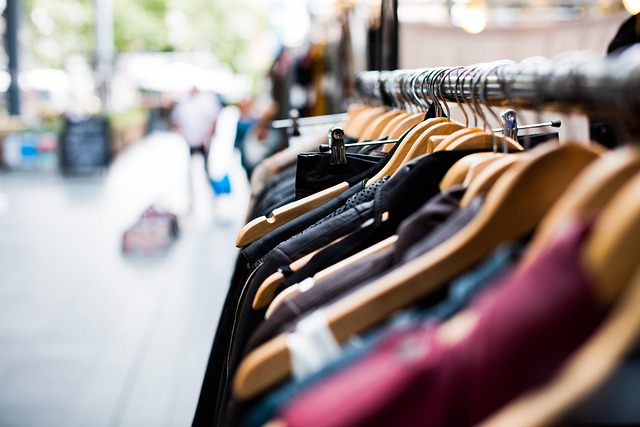
A well-built peacoat should genuinely outlast most other items in a wardrobe, but only if it’s treated with a bit more care than a jacket that gets slung over the back of a chair. Wool holds its shape through structure, and that structure survives storage far better on a broad wooden or shaped hanger than on a thin wire one. A wire hanger concentrates the coat’s weight on two narrow points at the shoulder, and over a season that pressure leaves dents that never fully disappear.
Brushing is the habit most men skip, and it’s the one that matters most. A garment brush run over the coat after each wear lifts surface dust and light debris before it works its way into the wool fibres, which delays the need for proper cleaning by months at a time. Left unbrushed, that same dust accumulates gradually and eventually needs a dry cleaner to shift it, which is both more expensive and harder on the wool than regular light maintenance would have been.
Cleaning frequency is worth getting right, since both directions cause problems. Wool naturally resists odour better than synthetic fabrics, so a peacoat generally only needs professional dry cleaning once or twice across an entire season rather than after every wear. Over-cleaning strips the natural oils that keep wool supple, which gradually leaves the coat feeling drier and less resilient than it did new. Spot-treating small marks as they happen and saving full cleaning for genuine need keeps the fabric in far better condition over several years.
The final habit is simply giving the coat a break between wears. Wool needs roughly a day to recover its shape after being worn, which is why alternating between two coats, rather than reaching for the same one every single day through winter, noticeably extends how long either one looks properly sharp. Combined with cedar protection during off-season storage to keep moths away, that small routine is usually the difference between a peacoat still worth wearing after five winters and one that’s been quietly replaced after two.

