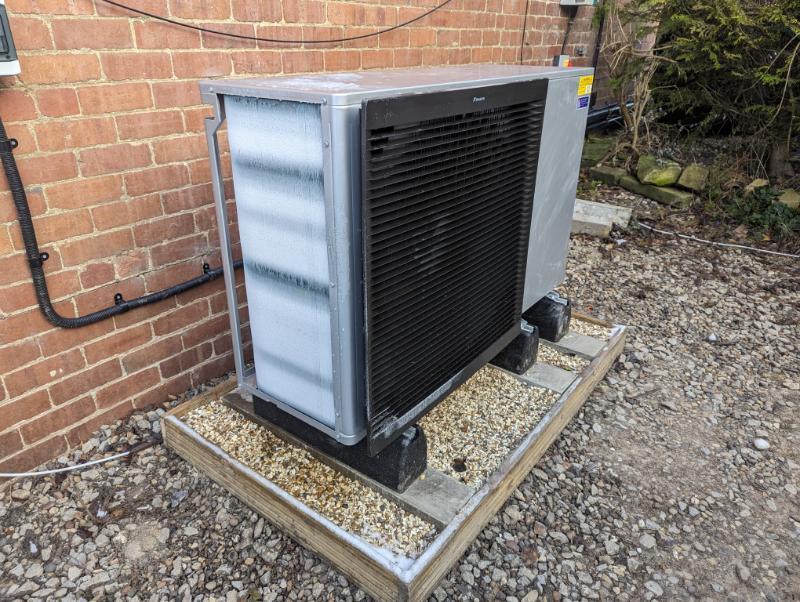
In an age where sustainability is paramount, energy efficiency in heating systems takes on unprecedented importance. As we grapple with the consequences of climate change, the need for effective heating solutions that reduce energy consumption while maintaining comfort is becoming increasingly vital. Understanding the mechanisms behind energy efficiency not only benefits homeowners but also contributes to a more sustainable future.
The Importance of Energy Efficiency
Energy efficiency in heating refers to the performance of a heating system in converting fuel into usable heat while minimizing energy waste. High-efficiency heating systems can significantly reduce energy bills and carbon footprints. The importance of energy-efficient heating isn’t limited to personal or commercial savings; it extends to national energy policies and environmental impact.
Cost Savings and Economic Impact
One of the most compelling reasons to invest in energy-efficient heating solutions is the potential for cost savings. Traditional heating systems often require more energy to achieve the same level of warmth, leading to higher utility bills. In contrast, energy-efficient systems utilize advanced technologies to provide adequate heating with less fuel. For example:
- Heat Pumps: These systems can be twice as efficient as conventional heating methods, providing more heat per unit of energy.
- Condensing Boilers: By reclaiming heat from exhaust gases, these modern boilers operate at higher efficiency rates.
In the long run, switching to energy-efficient heating technologies can help homeowners recoup their initial investment through lower operating costs and maintenance expenses.
Environmental Benefits
Beyond financial considerations, energy-efficient heating plays a crucial role in reducing greenhouse gas emissions. The heating sector is responsible for a significant portion of total energy consumption, and by adopting more efficient technologies, we can diminish our reliance on fossil fuels. According to reports from energy regulators, widespread adoption of energy-efficient heating systems could reduce carbon emissions substantially, contributing to climate goals.
Navigating the Options
When exploring energy-efficient heating solutions, it’s essential to understand the various options available on the market. Whether you’re considering a new installation or upgrading an existing system, various choices can cater to specific needs and preferences.
Central Heating Systems
Central heating systems, such as those offered by sites like mrcentralheating.co.uk, provide an excellent foundation for energy efficiency. These systems can be customized based on the layout and size of a home, ensuring that every corner reaches optimal warmth without unnecessary waste.
Sustainable Heating Technologies
- Biomass Boilers: These systems utilize organic materials, like wood pellets, as fuel, which can be sourced sustainably. They release lower emissions compared to traditional fossil fuels, making them a useful alternative.
- Solar Heating: By harnessing the power of the sun, solar thermal panels can pre-heat water for heating purposes, significantly reducing the energy demand from other sources.
- Smart Thermostats: Implementing smart technology can lead to remarkable energy savings by allowing homeowners to control their heating systems remotely, optimizing their schedules based on occupancy patterns.
Regulatory Compliance and Incentives
As governments worldwide prioritize energy efficiency, numerous incentives and regulations have emerged to encourage transitions to greener heating solutions. These may include tax credits, rebates for energy-efficient appliances, or funding for home energy audits. Familiarizing yourself with local regulations can lead to significant savings while contributing to national sustainability goals.
The Role of Maintenance
Even the most advanced energy-efficient heating system requires proper maintenance to ensure its longevity and performance. Regular inspections and servicing are essential for keeping systems running at peak efficiency. Simple tasks such as cleaning filters, checking for leaks in ductwork, and recalibrating thermostats can make a substantial difference in energy consumption.
DIY vs. Professional Help
While some maintenance tasks can be handled by homeowners, others require the expertise of trained professionals. Engaging licensed technicians for annual check-ups not only maintains heating efficiency but also helps identify underlying issues before they escalate into costly repairs. Establishing a maintenance routine is not merely an option but a necessity for those aiming for sustainability.
The Future of Heating
As technology continues to evolve, the future of energy-efficient heating looks promising. Innovations in smart home integrations, like IoT-enabled heating systems, could further optimize energy usage. Imagine smart heating systems that learn from your habits and adjust settings dynamically to conserve energy while maximizing comfort.
Moreover, upcoming advancements in renewable energy resources will likely introduce even greener heating options, pushing the boundaries of sustainability. Being informed and ready to adopt these new technologies could position homeowners and businesses as leaders in the transition toward a more sustainable energy landscape.
Conclusion
Energy efficiency in heating is not just a trend; it is an imperative for our collective future. By investing in modern, efficient systems, not only can we save on costs, but we can significantly impact the environment as well. With various options available and the rapidly evolving landscape of heating technologies, the path to sustainability is clearer than ever. The responsibility lies with us to adopt practices that benefit both our wallets and our planet, paving the way for a more energy-efficient world.
Investing in an MVHR System is another effective way to enhance energy efficiency while improving indoor air quality in your home.