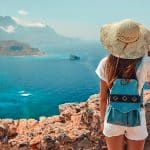
Travel is often associated with exciting destinations, memorable meals, and carefully planned itineraries, but the quality of any journey is usually shaped by much smaller decisions. Daily habits that support comfort, energy, and relaxation can have a surprisingly large impact, whether someone is embarking on a weekend road trip or an extended international adventure.
Rather than focusing only on packing lists or sightseeing schedules, experienced travelers increasingly recognize that feeling good throughout a trip depends on maintaining simple routines. Hydration, quality sleep, movement, and stress management all contribute to making every destination easier to enjoy from the moment the journey begins.
Building a Wellness Routine Before You Leave
Preparation starts well before reaching the airport or loading the car. Many travelers discover that maintaining familiar habits before departure makes it easier to adjust to changing schedules and unfamiliar environments. Getting enough rest during the days leading up to a trip, staying hydrated, and avoiding unnecessary stress can reduce fatigue before travel even begins.
Many people also prepare by organizing the wellness products they already rely on at home. Some include vitamins, electrolyte supplements, or relaxation products as part of their travel essentials. Others choose to explore options available from Medterra while assembling a routine that fits naturally into their lifestyle and complements the rest of their packing strategy.
Small Daily Choices That Keep Energy Levels High
Travel often disrupts normal eating and sleeping patterns. Long flights, changing time zones, and packed sightseeing schedules can leave even experienced travelers feeling drained after only a day or two. Building small moments of recovery into each day helps prevent that gradual decline in energy.
A short morning walk, stretching after several hours of sitting, eating balanced meals whenever possible, and taking regular water breaks can make a noticeable difference. Research on travel wellness also highlights the importance of maintaining healthy sleep habits whenever schedules allow, since consistent rest plays a major role in physical recovery and cognitive performance.
Finding Moments to Relax Between Adventures

Not every memorable travel experience comes from constant activity. Some of the most enjoyable parts of a vacation happen during slower moments, reading on a balcony, enjoying a quiet evening, or simply recovering after a busy day of exploring.
Because relaxation means different things to different people, travelers often build personalized routines that help them unwind. Some prefer meditation or herbal tea, while others look into products such as Delta Munchies delta 9 gummies when researching recreational wellness options that align with local laws and their personal preferences. Whatever the approach, setting aside intentional downtime often helps travelers return home feeling refreshed rather than exhausted.
Packing Smarter Instead of Packing More
Many travelers begin by trying to anticipate every possible situation, leading to heavy luggage filled with items that never leave the suitcase. Over time, experienced travelers usually move toward a lighter, more intentional packing philosophy centered around versatility instead of quantity.
Choosing clothing that layers easily, carrying refillable water bottles, organizing essentials into small pouches, and limiting unnecessary duplicates creates more room while reducing travel-related stress. A well-organized suitcase also makes transitions between airports, hotels, and transportation much easier, leaving more time to enjoy the destination itself instead of searching through bags.
Creating Memories Without Burning Yourself Out
Modern travel culture often encourages visitors to maximize every hour with packed itineraries, multiple attractions, and ambitious sightseeing plans. While there is nothing wrong with seeing as much as possible, constantly rushing from one activity to another can diminish the overall experience.
Allowing room for flexibility creates opportunities to discover local neighborhoods, enjoy spontaneous meals, or simply appreciate the atmosphere without watching the clock. A slower pace often leads to richer experiences because travelers remain physically comfortable and mentally present throughout the journey. Wellness is not separate from travel, it quietly supports every memorable moment along the way, making each destination easier to appreciate and every adventure more enjoyable.