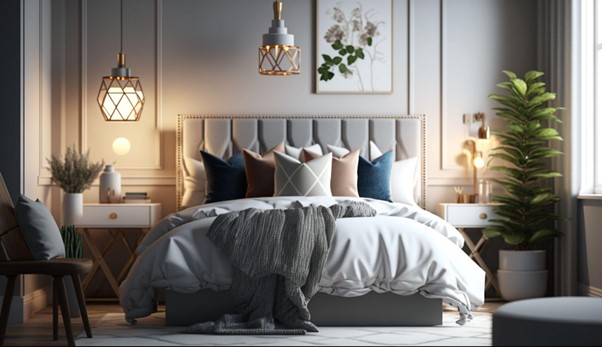
It is no secret that storage beds have been popular due to their space-efficient hack. But they are not all about storage anymore. They are being selected by people due to eco-friendly production and the availability of sustainable sourcing by a number of companies. Their emergence has reduced the need for additional furniture and their carbon emissions. Modern storage beds are efficient, practical, and environmentally friendly at the same time, not to mention style and comfort.
We will discuss in this blog:
- Why storage bed one of the most sustainable furniture options on the market?
- Why does it help to save on waste and consumption?
- Why does it perform better than traditional furniture setups in modern and eco-friendly houses?
What Is A Storage Bed?
A storage bed is a type of bed which has storage space underneath the mattress or in the base. These beds do not cause the under-bed space to be wasted, as they turn it into useful storage by:
- Ottoman lift mechanisms
- Pull-out drawers
- Integrated compartments
This design enables the homeowners to have the convenience of storing the things that they use frequently without the need to keep additional pieces of furniture, only to clutter up the room.
Common Storage Bed Types
| Storage Bed Type | How It Works | Best For |
| Ottoman Storage Bed | Mattress lifts to reveal full under-bed storage | Bulky items
Bedding Suitcases |
| Drawer Storage Bed | Side or end drawers slide out | Everyday access items |
| Hybrid Storage Bed | Combination of drawers + lift | Large households
Shared bedrooms |
| Platform Storage Bed | Fixed storage compartments | Minimalist interiors |
The Sustainability Problem With Extra Furniture
It is necessary to know the environmental consequences of having excessive furniture before knowing the reasons why storage beds form a viable alternative.
Environmental cost of extra furniture:
Additional pieces of furniture usually imply:
- Excessive consumption
- High use of raw materials
- Increased manufacturing
- Shipping carbon emissions
- More packaging waste
- Shorter product lifecycles
- Increased propensity of landfill waste.
Most people do not just purchase a bed, but they purchase:
- A bed frame
- A wardrobe
- A chest of drawers
- Storage boxes
- An ottoman
- Chair
- Table
- Shelves
- & so much more.
Each product has its environmental footprint.
Why Storage Beds Are A Sustainable Alternative?
Storage beds like a luxury ottoman bed address the issue of sustainability at its core, that is, doing more with less.
- One Product, Multiple Functions
A storage bed substitutes multiple pieces of furniture simultaneously.
| Traditional Setup | Storage Bed Alternative |
| Bed frame | ✔ |
| Wardrobe | Partially replaced |
| Chest of drawers | ✔ |
| Storage boxes | ✔ |
| Ottoman | ✔ |
Through the consolidation of functions, storage beds:
- Decrease the need for more furniture
- Reduce consumption of materials
- Reduce production emissions
- Reduced Material Consumption
Each additional piece of furniture will need:
- Timber harvesting
- Metal production
- Fabric processing
- Chemical treatments
A single storage bed that is properly designed consumes fewer total resources compared to many stand-alone objects.
Sustainability Impact Comparison
| Factor | Extra Furniture | Storage Bed |
| Raw materials used | High | Lower |
| Manufacturing energy | High | Reduced |
| Packaging waste | Multiple boxes | Single package |
| Transport emissions | Multiple deliveries | One delivery |
- Fewer Deliveries, Lower Carbon Footprint
Each furniture delivery contributes to:
- Fuel consumption
- CO₂ emissions
- Urban congestion
Storage beds as well minimize logistics impact where there are numerous deliveries that could be replaced by one.
Example:
As opposed to getting a bed, drawers, and a storage bench each, a single storage bed performs the functions of all three – with a much smaller carbon footprint.
Storage Beds & Small-Space Living
The rise of compact living:
- Smaller bedrooms
- More renters
- More shared spaces
- Higher property prices
Storage Beds Promote Mindful Consumption
Storage beds encourage:
- Owning fewer items
- Arranging the already existing
- Avoiding unnecessary purchases
People are less likely to purchase when storage is incorporated in the bed:
- Extra plastic storage boxes
- Temporary furniture
- Fast-furniture solutions
Durability & Longevity: A Core Sustainability Win
Here’s why storage beds outlast traditional furniture:
- Designed for daily use
- Built with reinforced frames
- Fewer separate items to break
- Less movement and reassembly
Sustainable Materials Used In Modern Storage Beds
Common Eco-Friendly Materials
- FSC-certified wood
- Recycled steel frames
- Low-VOC fabrics
- Durable, repairable mechanisms
| Material | Sustainability Benefit |
| FSC wood | Responsible forestry |
| Recycled metal | Reduced mining |
| Long-life fabrics | Less replacement |
| Repairable components | Extended lifespan |
Storage Beds vs Traditional Beds
| Aspect | Traditional Furniture Setup | Storage Bed |
| Number of items | Multiple | Multiple |
| Space efficiency | Low | High |
| Carbon footprint | High | Lower |
| Waste generation | Higher | Reduced |
| Longevity | Mixed | Higher |
| Visual clutter | Common | Minimal |
Aesthetic Sustainability: Less Clutter, Better Living
Storage beds support:
- Clean, calm interiors
- Minimalist design
- Reduced visual noise
A decluttered space often leads to:
- Better sleep
- Reduced stress
- More mindful living habits
Ideal For Long-Term Homes & Rentals
Storage beds are particularly sustainable for renters because:
- There is no necessity to purchase additional furniture.
- Easy relocation
- Utilisation of space in temporary houses.
For Homeowners
- Long-term investment
- Adaptable storage needs
- Reduced redecorating waste