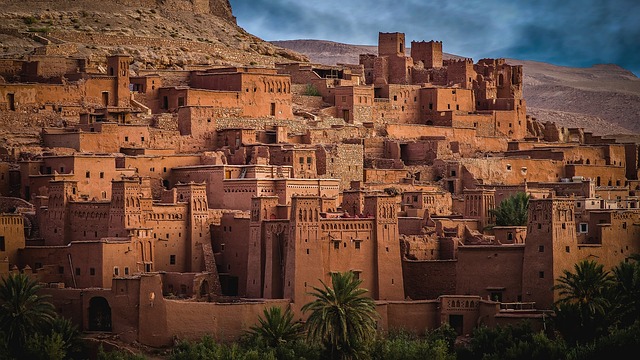
So you’ve booked the flight, closed the laptop, and now the panic sets in – what actually is Morocco like? Honestly, it depends which corner you land in. Marrakech smells like orange blossom and diesel. The Atlas Mountains smell like nothing at all, just cold air. Do a bit of homework before you land and the whole trip gets easier.
Arab, Berber, and French influences don’t sit neatly side by side here – they blur into each other, sometimes mid-sentence. A shopkeeper might greet you in French, haggle in Darija, and thank you in English, all within thirty seconds. It throws first-timers off. It’s also half the reason people fall for the place.
Best Time to Visit
Spring and autumn win, hands down – think March to May, or September through November. Summer is a different story. Marrakech regularly pushes past 38°C, which sounds fine until you’re standing in the Djemaa el-Fna at 2pm wondering why your legs feel like they belong to someone else. Coastal towns handle the heat better. The interior doesn’t.
Winter flips the script entirely. Nights in the Atlas Mountains and the Sahara get properly cold – “desert” does not mean warm after sunset, and plenty of visitors learn that the hard way, shivering in a tent they assumed would feel tropical.
One more thing worth checking: Ramadan dates. Restaurant hours shift, the streets quiet down during the day and pick up after dark. It’s not a reason to skip Morocco. Just plan your meals with it in mind.
Where to Stay: Picking Your Base
Here’s the mistake almost every first-timer makes: treating Morocco like a one-city trip. It isn’t.
- Marrakech – the obvious starting point, souks and riads and rooftop views
- Fes – older, quieter in its own chaotic way, home to the largest car-free medina anywhere
- Chefchaouen – yes, the blue town from your Instagram feed, and yes, it’s worth it
- Essaouira – windier, calmer, a completely different pace than the interior
- The Marrakech–Merzouga route – for anyone eyeing the Sahara
Riads deserve the hype, for what it’s worth. They’re courtyard houses turned guesthouses, usually family-run, and they give you a far better feel for a city than any hotel chain ever could.
Getting Around Morocco
Trains handle the big cities well enough – Casablanca, Rabat, Fes, Marrakech are all connected, and CTM buses pick up most of the slack elsewhere. But the moment you want the Atlas Mountains, the Sahara gateway towns, or a smaller coastal spot, rail stops being useful.
Here’s what catches people off guard: Morocco is roughly the size of California. That “quick day trip” idea can quietly turn into a six-hour drive before you’ve noticed. For the Ourika Valley, Ait Benhaddou, or the long haul out toward Merzouga, car hire Morocco gives you a kind of freedom buses just can’t – no waiting on a timetable, no rerouting because the bus doesn’t stop where you actually want to go.
If you do drive: bring an International Driving Permit alongside your normal licence. Main roads between cities are in decent shape. Mountain routes need more care – hairpin turns, and occasionally a herd of goats that couldn’t care less about your schedule.
Practical Tips Before You Go
A short list of things that trip people up more than they should:
- Visa – many nationalities, UK and EU included, skip the visa for stays under 90 days. Worth double-checking against your own passport, though.
- Currency – the dirham doesn’t trade freely outside Morocco. You exchange cash after you land, not before.
- Bargaining – expected in the souks, out of place in fixed-price shops or restaurants. Read the room.
- Dress code – modest clothing goes down better, especially away from beach resorts.
- Tap water – stick to bottled, even in the bigger cities.
Nothing on this list is complicated. It just tends to arrive as a surprise somewhere in a Casablanca taxi queue, right around the moment you realise nobody’s taking cards.
Final Thoughts
Morocco doesn’t need a flawless itinerary. It needs a loose one. The best moments here rarely come from the plan – they come from the wrong turn into a better café, or the extra hour spent wandering a medina because leaving felt wrong.
Bring a rough outline, comfortable shoes, and some tolerance for things going slightly off-script. The rest tends to work itself out.

