By the time January arrives, a few days somewhere sunnier can feel like a proper reset. A British winter means short days, wet streets and far too much time spent indoors, so even a mildly warm destination can make a real difference to your mood. There is no need to fly halfway around the world either. Within a few hours of the UK, there are several places where you can eat outside, walk along the coast, swim on warmer days and still find plenty to do when the weather is less than perfect. Direct flights, familiar booking platforms and manageable journey times also make these trips much easier to organise than a long-haul escape.
The choice, of course, depends on what you want from the trip. Some travellers are looking for proper beach weather, while others are perfectly happy with 18°C, clear skies and the chance to walk around without a heavy coat or an umbrella. The Canary Islands are the best option when warmth matters most. Madeira suits people who enjoy walking routes, while Malta works well for a short cultural break. Marrakech is the one to choose for atmosphere. Cyprus, meanwhile, offers an easy mix of coastline, food and history.
Cyprus for Coastlines, History and Easy Evenings
Cyprus is an excellent all-round option because its main coastal cities remain fairly lively outside the summer season. Paphos combines a walkable seafront with important archaeological sites, while Limassol offers a long promenade, a busier restaurant scene and an old town that can easily be explored on foot in a single day. Farther inland, the Troodos villages offer traditional food and a slower pace of life, although the weather in the mountains can differ noticeably from conditions by the sea.
Unhurried evenings are another important part of this kind of trip. After dinner, some travellers prefer a glass of local wine or a quiet drink rather than yet another excursion. For travellers planning a special dinner or looking for a gift during their stay, the cigars Cyprus collection offers a convenient way to compare formats and origins in advance.
Winter in Cyprus is mild, but it certainly cannot be described as tropical. December and January bring around six hours of bright sunshine a day, although rain is still possible and evenings by the sea can feel cool. It is therefore worth packing a light jacket and choosing accommodation with a comfortable indoor area. The lower temperatures also make visits to Kourion, Paphos Archaeological Park and other open-air sites far more pleasant than they would be at the height of summer.
Winter Sun Destinations at a Glance
| Destination | Best For | Typical Winter Feel | Main Consideration |
| Cyprus | Coast, history and food | Mild and often bright | Cool evenings and occasional rain |
| Canary Islands | Beaches and reliable warmth | Usually the warmest option | Weather varies across each island |
| Madeira | Walking and scenery | Mild, green and changeable | Mountain conditions shift quickly |
| Malta | Compact cultural breaks | Bright and breezy | Not dependable beach weather |
| Marrakech | Food, markets and atmosphere | Warm days, cooler nights | Some riads can feel cold |
A forecast only tells part of the story. Wind, rain and the quality of the heating in your hotel can make the same temperature feel completely different. A traveller planning museum visits or food tours will usually find it easier to deal with changeable weather than someone booking the trip mainly for the pool.
The Canary Islands for the Best Chance of Warmth
The Canary Islands are the most reliable choice if warm weather is the main reason for your trip. The year-round average temperature is around 22°C, and the winter drop is far less noticeable than in most European destinations. That is not a guarantee of hot weather every day, but it does give you a much better chance of eating outside, walking along the coast and spending time by the pool.
Tenerife and Gran Canaria are the most convenient all-round options thanks to frequent flights, well-developed resort areas and plenty to do beyond the beach. Lanzarote is almost entirely volcanic and works particularly well for sightseeing, while Fuerteventura is ideal for beach holidays and water sports. La Palma, meanwhile, suits travellers who enjoy walking and quieter towns. Before booking, check the exact location of the hotel. Southern resorts are often drier than northern areas, and the mountains can feel cold even when the coast is warm.
Madeira for Walks, Gardens and Coastal Views
Madeira is far better suited to an active holiday than to a traditional beach break. Funchal is the most convenient base, with restaurants, markets, gardens and good transport links for exploring the island. Beyond the capital, you will find steep valleys, mountain roads and levada trails, so it is easy to plan a varied trip without changing hotels every few days. The island also offers plenty of hiking routes and even canyoning, so there is something for almost every level of activity.
Winter remains mild, especially around Funchal, although temperatures vary considerably with altitude. The sea is usually around 18-19°C at the coolest time of year. The south coast is generally warmer and drier, although the weather can change very quickly. You can leave sunny Funchal and end up on a mountain trail covered in mist or rain, so proper hiking shoes, a waterproof jacket and a willingness to adjust your plans will be far more useful than a rigid itinerary.
Malta for a Short Cultural Break
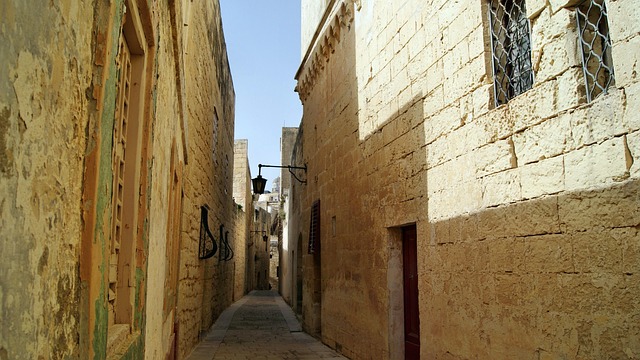
Malta is a good option if you are planning a three- or four-day trip. Distances are short, and many of the main sights are close together. Valletta is compact enough to explore on foot, while Sliema and the Three Cities are easy to reach by ferry. Mdina offers a quieter atmosphere, and Gozo can be added to the itinerary if you have an extra day.
This is more of a sightseeing break than a guaranteed beach holiday. Malta gets around 300 days of sunshine a year, but winter can still bring periods of wind and rain. Sunny days may feel pleasantly warm in sheltered streets, although temperatures drop quickly near the water. Even with changeable weather, the trip still works well. Valletta has plenty of museums, churches, cafés and viewpoints overlooking the harbour.
Marrakech for Food, Markets and a Change of Scene
Marrakech offers the strongest contrast with a British winter. The medina is noisy, colourful and crowded, while quiet courtyards often hide behind the plain doors of traditional riads. Winter is one of the most comfortable times to explore the city on foot, as daytime temperatures remain manageable. It is easy to fill several days with markets, palaces, gardens and a wide range of places to eat.
Average daytime temperatures from January to March usually sit between 18°C and 22°C, although nights can be much colder. Older riads are not always well insulated, so it is worth reading recent reviews and checking whether guests mention reliable heating. Trips to the Atlas Mountains or the Agafay Desert are also a good idea, but bear in mind that both are colder than central Marrakech, so you will need warmer clothing.
Choosing the Right Winter Escape
To narrow it down, start by asking what is most likely to spoil the trip. Choose the Canary Islands if warm days and the chance to spend time by the pool or the ocean are essential. Cyprus works well for a mix of coastline, restaurants and historic sites. Madeira is best for travellers who prefer hiking and natural scenery, while Malta is a convenient option for a short cultural break. Marrakech is the better choice if food, markets and an unfamiliar atmosphere matter more to you than beaches.
Price is another deciding factor. Christmas, New Year and UK school holidays all push up the cost of flights and hotels, while late January and early February often offer better value. Midweek flights can also be cheaper. Before booking, though, check what there is to do on a cloudy day. Old towns, museums, markets and good restaurants can rescue a trip when the forecast is mixed, while a resort chosen only for its outdoor pool or access to the sea can quickly start to feel limited.
What to Pack for Winter Sun
A winter sun break calls for a more versatile wardrobe than a typical summer holiday. Light clothing will be useful during the day, but you will almost certainly need a jumper or jacket after sunset. Comfortable shoes are important for walking through old towns and along nature trails, while a lightweight waterproof will come in handy in any of the destinations mentioned above. It is also worth packing swimwear, sunglasses and sun cream, even if the sea turns out to be cooler than expected. None of these items is likely to go to waste.
For Madeira’s levada routes, proper trekking shoes are important. In the Canary Islands, a windproof jacket is particularly useful near exposed beaches and at higher altitudes. Evenings can feel cool in Cyprus and Malta, while Marrakech often requires fairly warm clothing after dark. Do not pack your entire suitcase based on a single forecast, as conditions by the sea, farther inland and in the mountains can differ dramatically.
Making the Most of a Winter Break
The warmest destination is not always the best one. The Canary Islands are difficult to beat when it comes to reliable sunshine, but travellers who quickly get bored with pools, beaches, surfing and similar activities may appreciate somewhere like Madeira far more. Malta works well for a short cultural break, Cyprus offers an excellent mix of coastline and inland scenery, while Marrakech feels the furthest removed from everyday life in Britain.
Check the expected temperature, then ask whether the destination actually suits the way you like to travel and what you want from the trip. A good winter escape should be enjoyable in sunny weather and still offer enough to do when it rains or clouds roll in. That matters far more than simply chasing the highest number on a weather app.