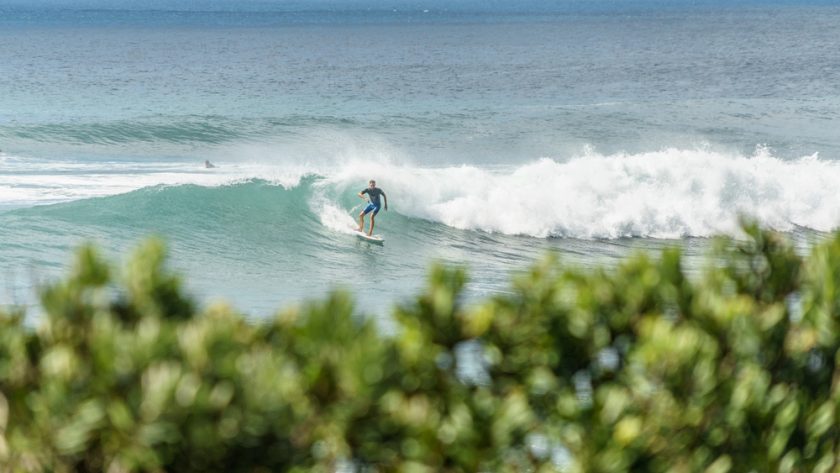
New Zealand is made for travellers who want dramatic scenery and active days. Within a relatively compact country, you can move from beaches and forests to alpine tracks, volcanic landscapes, and deep fiords. Planning well helps you enjoy more and worry less. If you are an adult who already vapes and want to pack a familiar e-liquid, keep it secure, follow transport rules, and focus first on weather, route, and safety. The following destinations offer a useful starting point for building an adventure itinerary.
1. Queenstown
Queenstown is the obvious choice for high-energy travel. Visitors can choose from bungy jumping, jet boating, rafting, mountain biking, skiing, and scenic flights. The town also works well for mixed groups because it offers restaurants, lake views, and easy day trips for anyone who wants a quieter pace. Book popular activities early and leave room for weather changes.
2. Rotorua
Rotorua combines geothermal activity, Māori culture, forest trails, and water-based adventures. Walk through steaming landscapes, explore the Redwoods, or try rafting and zip-lining in the surrounding region. It is a strong option for travellers who want variety without spending every day on a long road journey.
3. Fiordland and Milford Sound
Fiordland rewards travellers who enjoy wild scenery and water-based experiences. You can explore Milford Sound by boat, kayak, or scenic flight, while the wider region offers demanding walks and quieter tracks. Conditions can change quickly, so allow extra time and check transport arrangements before committing to a remote plan.
4. Abel Tasman National Park
Abel Tasman is known for golden beaches, forested coastal paths, and clear water. Kayaking and walking are the classic ways to experience the park, and water taxis make it possible to create an itinerary that suits different fitness levels. The area is especially appealing when you want active days followed by relaxed evenings near the coast.
5. Tongariro National Park
Tongariro offers volcanic scenery, open mountain views, and some of the country’s most recognisable walking routes. The area is rewarding but should be treated seriously because alpine weather can shift fast. Check track alerts, prepare for cold conditions, and choose a route that matches your experience rather than relying only on photographs.
6. Aoraki Mount Cook
Aoraki Mount Cook is ideal for travellers who want big mountain landscapes without attempting a technical climb. Short walks lead to viewpoints, while guided activities can include glacier experiences and scenic flights. The clear air and dramatic peaks make this one of the best destinations for combining photography with accessible outdoor activity.
7. Wanaka
Wanaka has a calmer feel than Queenstown while still offering excellent access to hiking, mountain biking, climbing, skiing, and lake activities. It is a good base for travellers who prefer a slower evening after a full day outside. Nearby valleys and alpine areas provide plenty of options for both short outings and ambitious adventures.
8. The Bay of Islands
The Bay of Islands brings adventure to the water. Sailing, kayaking, fishing, diving, and wildlife cruises are popular ways to explore the coastline and its many islands. The region also has cultural and historic sites, making it a good choice for travellers who want active experiences mixed with time in small towns and coastal communities.
9. Kaikoura
Kaikoura is one of the strongest destinations for marine wildlife encounters. Visitors can join responsible whale watching tours, look for seals along the coast, or explore the surrounding ranges. The town is compact, making it easy to pair a morning activity with a scenic drive or a relaxed meal later in the day.
10. The West Coast
The West Coast suits travellers who enjoy road trips, rainforests, glaciers, and a sense of remoteness. Highlights include glacier viewpoints, coastal walks, and unusual rock formations. Distances can take longer than expected, so plan fuel stops, check road conditions, and avoid packing too many activities into a single day.
Match each activity to the season
New Zealand conditions can vary widely between regions and months, so the same destination may offer a very different experience across the year. A coastal kayak trip, alpine walk, and glacier visit all need different clothing and planning. Check daylight hours, road conditions, operator schedules, and weather before booking. A flexible plan lets you swap an exposed activity for a safer option when conditions change.
Build a realistic route
It is tempting to put every famous destination on one map, but long travel days can cut into the time you actually spend outside. Choose a region or a short chain of nearby bases, then allow recovery time after demanding activities. Scenic roads often take longer than expected, and remote areas may have limited fuel, food, or mobile coverage. A realistic route is more memorable than a rushed checklist.
Use local knowledge before setting out
Local visitor centres, guides, and activity operators can provide information that a general itinerary cannot. They may know about temporary closures, river levels, track conditions, and safer alternatives after a weather change. Ask direct questions about fitness requirements, equipment, cancellation policies, and what happens if conditions become unsuitable. This small amount of research helps you choose experiences that are exciting without being careless.
Plan for safety as well as excitement
Adventure is more enjoyable when the basics are covered. The Department of Conservation safety guidance explains why operators and activities need clear safety systems. Independent travellers should also review Canadian travel advice for New Zealand for practical warnings about changing weather, remote areas, water conditions, and adventure operators. Tell someone your plans, check forecasts, and carry suitable clothing and communication tools.
New Zealand offers an adventure destination for almost every style of traveller. Queenstown brings speed and variety, Rotorua adds culture and geothermal landscapes, Fiordland delivers remote scenery, and Abel Tasman provides a gentler coastal experience. The best itinerary balances ambitious activities with recovery time and realistic travel distances. Choose destinations that match your fitness, experience, and comfort level, then let the landscape provide the adventure.


