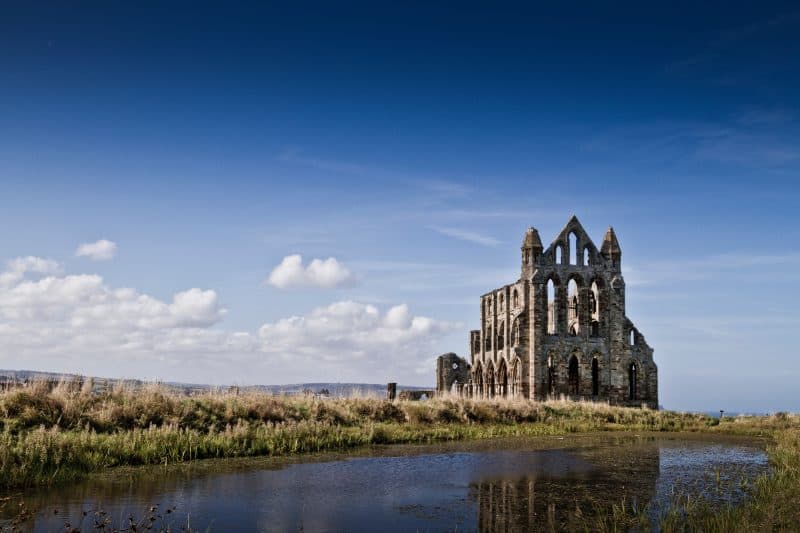
It usually happens on the Sunday. You have had the walk, the pub lunch, the slow drive back through a village where every house seems to be made of honey coloured stone, and somebody in the car says it out loud. We could live here. Then you spend the motorway home scrolling property listings on your phone.
Before the daydream hardens into a Rightmove alert, it helps to know what you are actually looking at. Yorkshire has its own versions of the main types of houses in the UK, and some of them come with quirks a weekend visitor would never spot. A gritstone terrace is not the same proposition as a brick one. A Dales cottage is not just a smaller detached house. The building tells you a great deal about how you would live in it, and what it would cost to keep.
The stone terrace
This is the house most people picture. Long rows climbing up the side of a valley in Hebden Bridge, Haworth, Holmfirth or Saltaire, built for the mill workers who powered the West Riding.
They are solid. Walls can be the best part of half a metre thick, which keeps them cool in summer and holds heat surprisingly well once warm. Some, particularly around the Pennine villages, are weavers’ cottages, recognisable by the long run of small windows on the top floor where looms once caught the light.
Terraces are the most affordable route into these villages. Across England the average terraced house sold for around £242,750 in early 2026, and Yorkshire typically sits well below national averages, which is part of the appeal.
The back-to-back
Leeds is the capital of these. Two houses sharing a rear wall, so each has a door and windows on one side only. They were banned for new building in most of the country in 1909, yet Leeds carried on constructing them for decades afterwards under earlier approvals.
Thousands survive, many beautifully modernised, and they make cheerful first homes. Light and ventilation are the trade off. So is resale, since some buyers simply will not consider one.
The Dales cottage
The postcard. Low ceilings, a range or wood burner, deep window sills you could sit in, a view across dry stone walls to the fell.
Lovely. Also demanding. Before you get carried away, it is worth asking about a few things:
- Listed status. Many older cottages are listed, which means even replacing windows can need consent.
- Conservation areas and National Park rules. Much of the Dales and the North York Moors carries planning controls that limit extensions and alterations.
- Damp and the wrong materials. Old stone needs to breathe. Decades of cement render and plastic paint trap moisture, and putting it right with lime is slow and specialist work.
- Plenty of rural homes are off the gas grid and run on oil, LPG or electric storage heaters, which changes the running costs considerably.
- Broadband and phone signal. Glorious silence on a holiday becomes rather less charming when you are trying to join a video call.
- Second home economics. In some villages a large share of cottages are holiday lets, which affects prices, community and how busy the place feels in February.
The coastal bungalow
Head east and the picture changes. Filey, Bridlington, Hornsea and the edges of Scarborough are full of bungalows, many of them bought by people who visited for decades and finally decided to stay.
Single storey living is in short supply nationally, so bungalows tend to hold their value and sell quickly when priced sensibly. The thing to check here is the coast itself. Parts of the Holderness coastline are among the fastest eroding in Europe, and that is a question for the survey, the insurer and the lender long before it is a question for you.
The converted chapel, barn or mill
Yorkshire has an unusual number of these, and they are genuinely special to live in. Vaulted ceilings, enormous windows, a sense of history built into the walls.
They can also be awkward to mortgage, expensive to heat and slow to sell, because the pool of buyers who want to live in a former Methodist chapel is smaller than the pool who admire one from the lane.
Visit in February
The best advice anyone ever gave about buying in rural Yorkshire is to go back in the worst week of winter. Drive the lane in the dark. Find out whether the pub opens on a Tuesday. Stand in the cottage with the wood burner unlit.
If you still love it then, you have probably found your place. And if you do not, you have saved yourself a very expensive Sunday afternoon.
About the author
Paul Gibbens – Property Expert at Housebuyers4u
He is a property expert at Housebuyers4u, advising UK homeowners on quick house sales, realistic valuations and how to avoid common pitfalls such as unclear fees, hidden option agreements and last-minute price changes.


