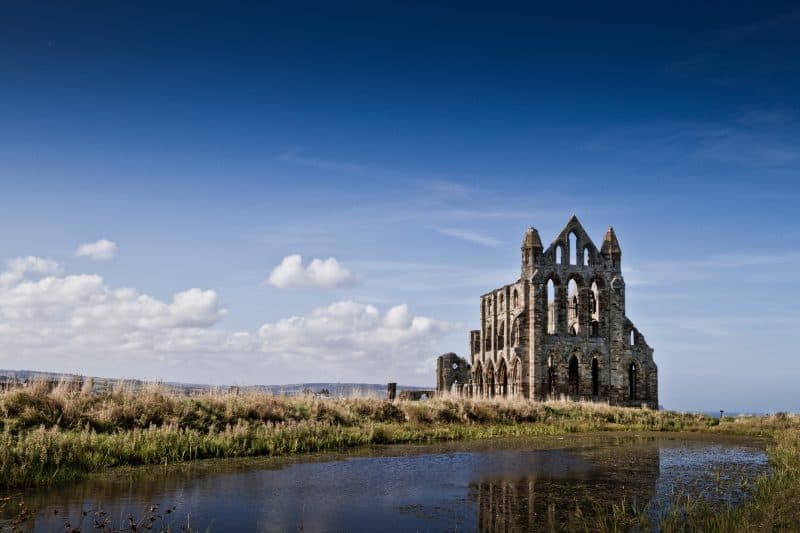
A day out in Yorkshire can go wrong before it even begins. Too many towns, too many cafés, too many family attractions, too many scenic routes, and too many opinions in the group often turn a simple plan into a slow debate. What should feel easy starts to feel like work. That is usually when people over-plan, rush, or settle for a day that looks full on paper but feels scattered in practice.
Choosing less can fix that. A tighter plan gives the day more shape, more pace, and more room to enjoy what is actually in front of you.
Pexels.com
Fewer Options, Easier Choices
Before looking more closely at why a Yorkshire day out can improve when you choose less, it helps to start with the basic reason. When the number of options drops, the decision becomes easier straight away. People compare fewer details, spend less time second-guessing, and move from planning into action much faster. That matters because a good day out depends on momentum. Once a group gets stuck weighing every possibility, energy starts to dip.
A simple shopping example shows this clearly. If you walk into a shop to buy a coat and there are twelve suitable styles, each in several colours and price points, the process becomes slow. You start checking labels, trying on alternatives, and wondering if the better option is still on another rail. If the same shop presents three strong options that all fit your budget and needs, the decision is far easier. You still have choice, but you are not buried by it.
The same pattern appears in leisure planning. A couple deciding between Whitby, Harrogate, and York will usually reach a conclusion faster than a couple trying to compare fifteen places at once. Broad choice feels useful at first, yet too much of it creates friction. That also applies to personal interests, including sports betting, where many fans prefer expert shortlists that help them choose a suitable UK bookmaker instead of spending hours comparing hundreds of platforms online.
Once the field narrows, attention improves. People begin asking better questions, such as whether they want scenery or shopping, a relaxed afternoon or a structured event, a countryside route or a coastal one. Those are productive decisions. They shape the day in a practical way and stop planning from becoming an endless sorting exercise.
Why Yorkshire Rewards a Tighter Plan
Yorkshire offers variety on a scale that can catch people out. One county can hold a spa town, a windswept moor, a seaside arcade, a historic city centre, and a country pub lunch route within the same broad conversation. That range is a strength, yet it also encourages people to build unrealistic itineraries. They try to fit in too much because everything sounds worth doing.
A better approach is to pick one core experience and build around it. If the centre of the day is a walk at Malham Cove, the rest of the plan should support that choice rather than compete with it. That could mean one nearby lunch booking and one stop on the drive home. It does not need a second major attraction forty minutes away. The day feels stronger when each part connects naturally.
What a Better Day Looks Like in Practice
Consider a family leaving Leeds on a Saturday morning. Their first idea is ambitious: breakfast in Harrogate, a stop at Fountains Abbey, an afternoon in Knaresborough, and fish and chips on the coast if there is still time. Every part sounds appealing on its own. Together, though, the plan becomes a chain of clocks, car parks, queues, and tired children asking how long is left.
Now reduce the choice. The family picks Knaresborough as the main destination. They book an early lunch, walk by the river, hire a boat if the weather holds, and leave space for an ice cream or a quick castle visit. That version gives the day a rhythm. There is still enough to do, but no one spends the afternoon checking navigation apps or cutting short one activity to squeeze in another.
The same logic works for couples, solo travellers, and groups of friends. A pair heading to York for independent shops, one museum, and dinner often has a better experience than a pair attempting to cover every landmark before evening. Depth usually beats range when time is limited. People remember the quality of the hours, not the length of the checklist.
Choosing Less Creates More Attention
Another advantage of a narrower plan is that it changes how people notice things. When the schedule is crowded, attention becomes transactional. You look at signs, tickets, opening times, and directions because the day is about moving through tasks. With less pressure, details return. You notice the view from the café window, the quality of a market stall, the sound of a race crowd building before the first event, or the way a small street opens into a busy square.
That shift matters because enjoyment often sits in those details. Yorkshire is full of places that reward presence rather than speed. A village bakery, a short cliff-top path, or an hour spent watching activity around a town market can feel more memorable than a packed schedule. None of those moments work well when you treat every stop as a stepping stone to the next.
Fewer choices also make shared days easier socially. Groups argue less when the plan is clearer. One main destination, one meal stop, and one optional extra leave less room for disagreement. People can still shape the day together, but they are working within a simple frame instead of negotiating every hour from scratch.
How to Build a Yorkshire Day Out Without Overloading It
Start with one question: what is the priority? The answer should be specific. It might be a long walk, a good lunch, a market town, a family-friendly outing, or a sporting event. Once that is fixed, every other decision becomes easier because it either supports the main aim or distracts from it.
Next, limit the day to one primary destination and no more than two secondary elements. For example, choose Skipton as the base, then add a canal walk and a pub meal. Or choose Whitby, then add a coastal walk and a simple stop for food. That is enough structure to make the day feel full without forcing it into a timetable that leaves no room to breathe.
After that, be realistic about transitions. Driving, parking, walking between venues, and waiting for service all take time. A plan that ignores those small gaps usually starts slipping by midday. Building in margin is not wasted time. It keeps the day calm when roads are busier than expected or the weather changes.
Finally, leave one part open. This could be an extra café, a short detour, or the choice to end earlier than planned. Flexibility works best when it sits inside a reduced plan. Then it feels like freedom, not uncertainty.